Trolltunga ENG problea tab cont


A Journey to the epic Troll’s Tongue

Trolltunga is undeniably one of Norway‘s most famous landmarks. The iconic rock formation, jutting out 700 metres above Lake Ringedalsvatnet, attracts hikers from all over the world.
It is a long, demanding hike that requires preparation and endurance, especially if tackling the full route from the main parking lot at P2. The reward is a view that has become a symbol of Norwegian nature, offering a dramatic perspective over the fjord landscape below.


Where
Odda, Vestland County, Norway


Difficulty
Demanding / Expert


Average Times
8-12 hours Return


Total Ascent
~1,100m cumulative gain (from P2)


ircle cx=”3″ cy=”12″ r=”2″ fill=”#7daedc”>ircle cx=”21″ cy=”12″ r=”2″ fill=”#7daedc”>
Distance
27 km Return (from P2)


Max Elevation
1,180 m a.s.l.


ircle cx=”12″ cy=”9″ r=”2.6″ fill=”#fff”>
Start Point
P2 Skjeggedal Parking


Water
Fresh water is available from streams on the high plateau.


Services
Paid parking at P2. Shuttle bus available to P3 (Mågelitopp), though this guide describes the full hike starting from P2.


Recommended Season
June – September

STARTING POINTS:

  • P1 (Tyssedal): The “bottom” lot. I suggest to avoid this. It adds 11 km of boring asphalt walking just to get to the real start. 

  • P2 (Skjeggedal): My Choice. The main trailhead. Parking costs NOK 500 (plus a NOK 200 toll). Expensive, yes, but the standard starting point for the proper adventure. 

  • P3 (Mågelitopp): Located at the top of the first climb, saving you 400m of elevation and 7 km of walking. Cost: NOK 600 parking + NOK 200 toll. Catch: Only 30 spots exist, and they sell out months in advance.

    • Extra Option: You can park at P2 and take a shuttle bus up to P3 for about NOK 150 (one way). These prices are updated as of 2025.


  • Info & Highlights

  • Dove:

    Area di Glenorchy, Otago, Isola del sud – NZ

  • Difficoltà:

    Challenging

  • TEMPI MEDI:

    6/8 ore solo andata (4/6 ore solo bosco)

  • Punto di partenza

  • COME ARRIVARE:

    Da Queenstown, guida circa 45 minuti su strada asfaltata fino a Glenorchy. Da Glenorchy, prosegui in direzione Paradise e poco dopo Diamond Lake svolta a destra su Lovers Leap Road, strada sterrata. Prosegui per circa 1,5 km e troverai il parcheggio per Earnslaw Burn Track. Da qui parte il sentiero.

  • ACQUA:

    Disponibile. Reperibile dal fiume Earnslaw Burn e da torrenti e cascate che attraversano il sentiero. Filtro o bollitura fortemente consigliati.

  • SERVIZI:

    No, camping consentito nell’area adiacente al fiume appena usciti dalla linea degli alberi prima dell’alta valle.

  • Periodo consigliato:

    Dicembre – Marzo

  • Dislivello positivo totale:

    1250m 

  • DISTANZA: 13,5 km totali (8,8 km bosco)

    13,5 km totali (8,8 km bosco) solo andata


Let’s start

I began my hike from P2 Skjeggedal

Most people trudge up the road that snakes up to P3. It’s efficient but soulless.
However, if you look closely near the start of the road, there is a steep, rugged trail cutting through the forest. It’s tougher, muddier, and infinitely more natural than walking on pavement. This is the old way.
Whichever poison you pick, you have to conquer this initial 400-meter ascent to reach the Mågelitopp plateau (P3).

Once you reach the top of the road at P3, the terrain changes significantly. You leave the valley behind and enter the high mountain plateau.
The path here consists of rocky steps, open granite slabs, and sections that can be muddy depending on recent weather. The route is well-marked with red “T” symbols painted on rocks and cairns. Although the elevation profile flattens out compared to the initial climb, the trail continues with a series of ups and downs that add to the total physical effort.

The distance is substantial. You will pass some emergency shelters (for survival use only) and traverse varied landscapes, from small mountain lakes to snowy patches. Weather conditions in this area can change rapidly, shifting from sunshine to fog or rain in a short time.

After approximately 13-14 KMs of hiking, you reach the destination.
The plateau ends abruptly, revealing the sheer drop down to Lake Ringedalsvatnet. Extending from the cliff face is Trolltunga itself.


Mi sono pentito di non avere la tenda con me quel giorno, infatti avevo attrezzatura minimale, ed ero partito a metà pomeriggio rientrando col buio e frontalino a tarda serata.

“Per chi mi conosce sono solito fare uscite piuttosto wild con tempistiche e organizzazione quantomeno dubbia e in condizioni spesso folli… Sconsiglio vivamente di fare altrettanto perché spesso non è il modo migliore per apprezzare quanto fai ma è semplicemente… Il Mio.”

The view from the edge is impressive, crashing straight down to the water with a clear sightline across the surrounding peaks. But given the site’s fame: I had heard the horror stories—supermarket-style queues, hours of waiting just to step onto that rock for the photo. I went in mid-September, dreading the hordes. 

I started late, deliberately pushing against the flow and the decision paid off. Despite a spectacular day, being just outside peak season and avoiding the rush hour meant that while there were people, I also found moments of pure solitude. I watched the landscape burn red as late afternoon bled into an unforgettable sunset. Honestly, at twilight it’s terrifyingly beautiful. Perhaps the best time to be there.

My return journey happened in the dark. Hiking back with a headlamp is feasible thanks to the abundance of reflective trail markers that light up in the beam, but it requires caution. Even in summer, slippery patches of ice can hide in the shadows.

For those who want to extend the experience, there are specific areas marked for camping (and others where it’s explicitly banned).  Just do it right.

Gli ultimi passi

Trolltunga is a significant physical undertaking.
From a visual standpoint, the rock formation is spectacular and unique. The scale of the cliffs and the drop to the lake create a powerful scene.
However, due to its global fame, it is rarely a solitary experience. The trail can be busy, and the presence of crowds at the summit changes the atmosphere compared to lesser-known hikes.
Completing the hike from P2 is a test of endurance that adds a sense of accomplishment to the visit. It is a full-day commitment that rewards hikers with one of Norway’s most recognizable views.

Non ho mai trovato alcuna foto di questo luogo, tanto meno le mie, in grado di mostrare realmente la sensazione di vastità, purezza ed imponenza di questa vallata, dove il ghiacciaio si illumina al sole e una valanga di cascate grandi e piccole danno vita al fiume serpeggiante che ti accompagna sino alle falde del monte.

È possibile raggiungere questa perla nascosta percorrendo il sentiero che ho descritto, o tramite alcune compagnie che offrono esperienze da “tacchi e cravatta” piuttosto che “scarponi e sudore” atterrando con elicotteri nella vallata. Fortunatamente il giorno in cui ho deciso di percorrerla nessun elicottero ha cambiato l’atmosfera di quel luogo. Anzi credo non fossimo più di 7 persone nell’arco di tutta la vallata dalle 5 PM in avanti.
L’incontro più significativo che ho fatto è stato un lungo scambio di sguardi con un cerbiatto tutt’altro che impaurito dalla mia presenza.
Magnifico.
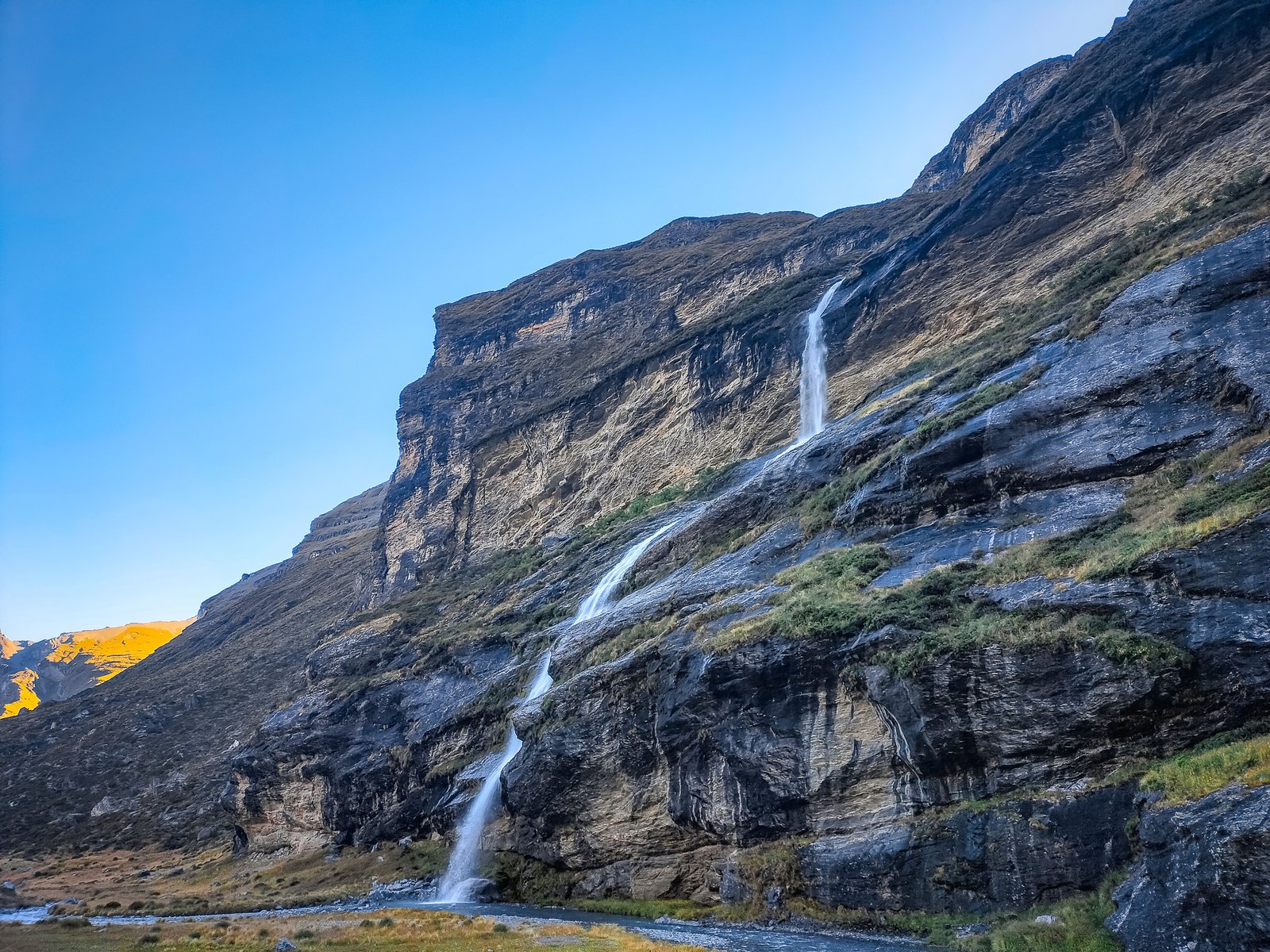
L’immagine meglio conservata nei miei ricordi di questa esperienza sono gli ultimi km nell’alta vallata quando ad ogni passo la mia mascella cadeva facendomi rimanere a bocca spalancata come un pesce sbalordito dallo stupore mi chiedevo “ma dove c***o mi trovo?


Sicurezza e consigli

Ho percorso questo sentiero in una calda e limpida giornata di fine febbraio e consiglio di percorrerla in condizioni di cielo sereno, verificando eventuali aggiornamenti sullo stato del percorso sul sito ufficiale DOC. Il rischio valanghe, specialmente fuori stagione, è significativo. È importante portare con sé cibo, strati caldi, e avvisare qualcuno dei propri spostamenti e prepararsi a trovarsi da soli lontano da ogni tipo di comfort.
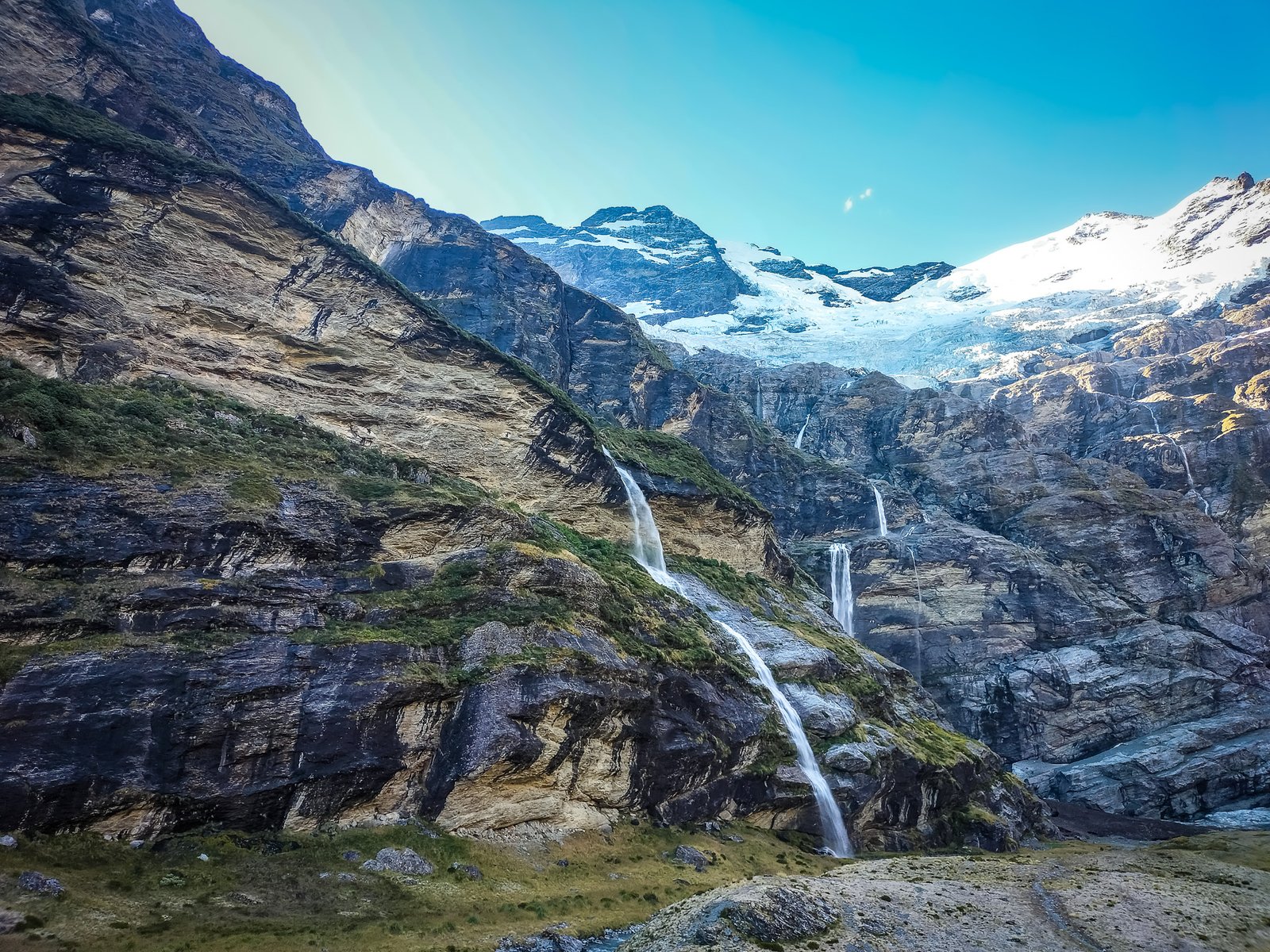
Earnslaw Burn è una valle meravigliosa e incorrotta che deve essere preservata e mantenuta tale. È necessario organizzarsi per poter portare con sé gli eventuali rifiuti e come sempre NON LASCIARE TRACCE.

Se hai domande o vuoi scambiare due parole, raccontare esperienze e ricordi ti sono balzati alla mente leggendo questa storia commenta o scrivimi su Instagram
E live outdoor!

Articoli correlati

NEW ZEALAND

  • Wild Camping regole e consigli in NZ

    Auckland

  • asdfghjk

    Matamata

  • a

    Stewart Island

  • e

    Hamilton

  • BOOTS OR SHOES?

    Dunedin

GEAR

  • ASDASDAS

    Wellington

  • Cannibal Burgers

    Milford Sound

  • Luigi’s SFASFASF

    ASF

  • ASF

    Te Anau

  • asasgdsd

    Tauranga

Similar Trips

  • Hiking in New Zealand

    Lorem ipsum dolor sit amet, erat mi sit augue etiam placerat enim, egestas metus, suscipit vel magna, aliquam neque erat pellentesque. Ligula elementum dignissim semper mi gravida
    Read the Full Story…

  • Otago Rail Trail bike tour

    Lorem ipsum dolor sit amet, erat mi sit augue etiam placerat enim, egestas metus, suscipit vel magna, aliquam neque erat pellentesque. Ligula elementum dignissim semper mi gravida

    Read the Full Story…

Continue reading

The 10 most incredible roads in the world

The 10 Most Incredible Drives in the World


I’ve always loved driving—burning through rivers of kilometres without feeling tired or bored.

The movement, the sensation of never being still, the air blasting through the window, the music spat out of the speakers at full volume… they always manage to wake you from the numbness that tags along on certain days. What happens inside our heads during a road trip is something more than just a simple displacement from A to B.

Sometimes, what you see outside is so spectacular that the driving itself becomes the reason that justifies the journey. Some roads, some panoramas that suddenly crack open before your eyes, pierce you like unexpected thunder on a summer night.


Here is a ranked list of what, to this day, are the most breathtaking roads I’ve had the fortune to drive.


10) State Highway 6 (SH6) – Lake Hāwea – Makarora

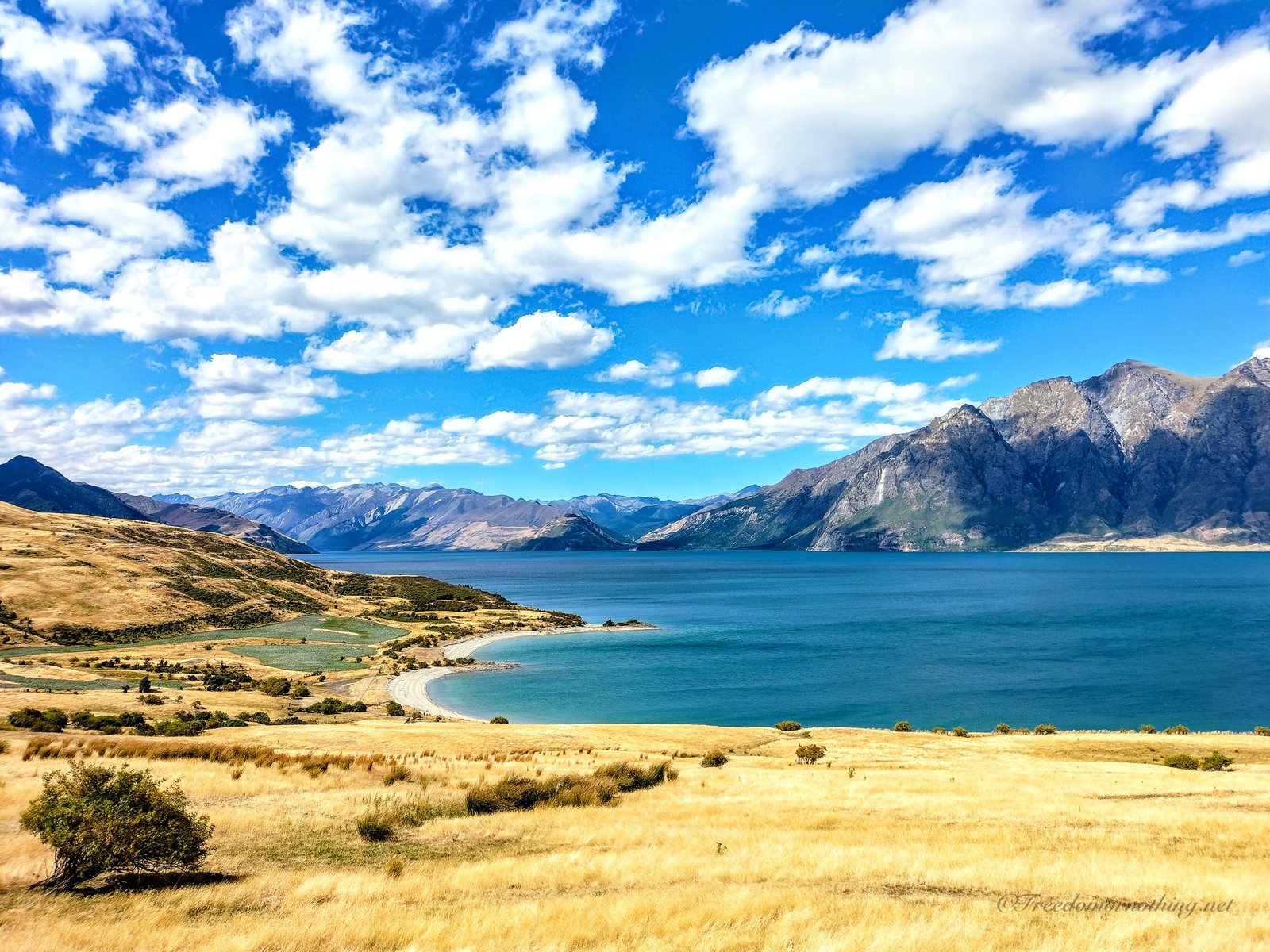
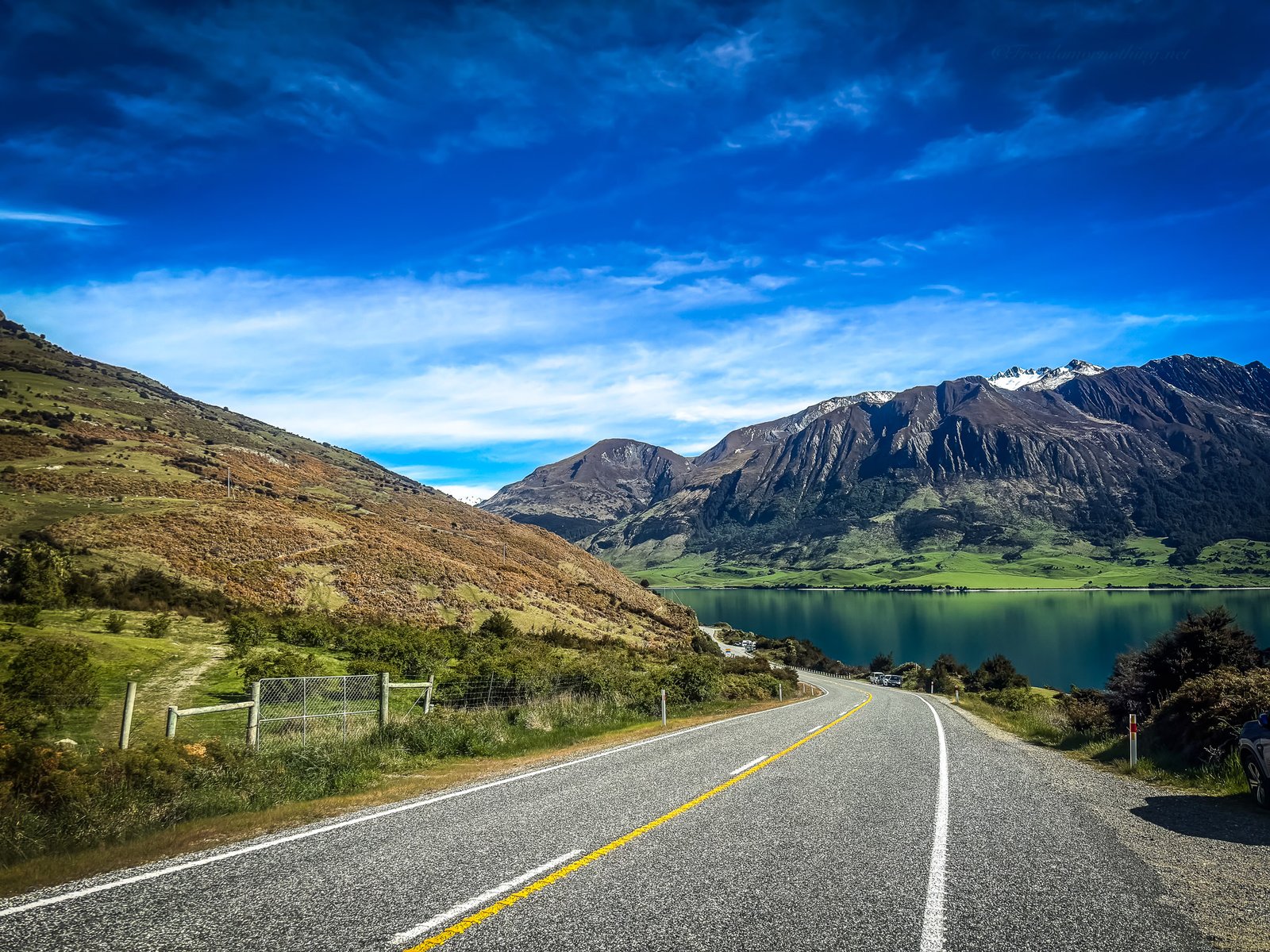
I drove this road heading northwest from Wānaka when I tackled Isthmus Peak (LINK). It is a marvelous stretch that hugs the entire western flank of Lake Hāwea, winding through green fields puntuated by white sheep, lakeside beaches, and framed by looming peaks that tower over the straw-yellow tussock fields.

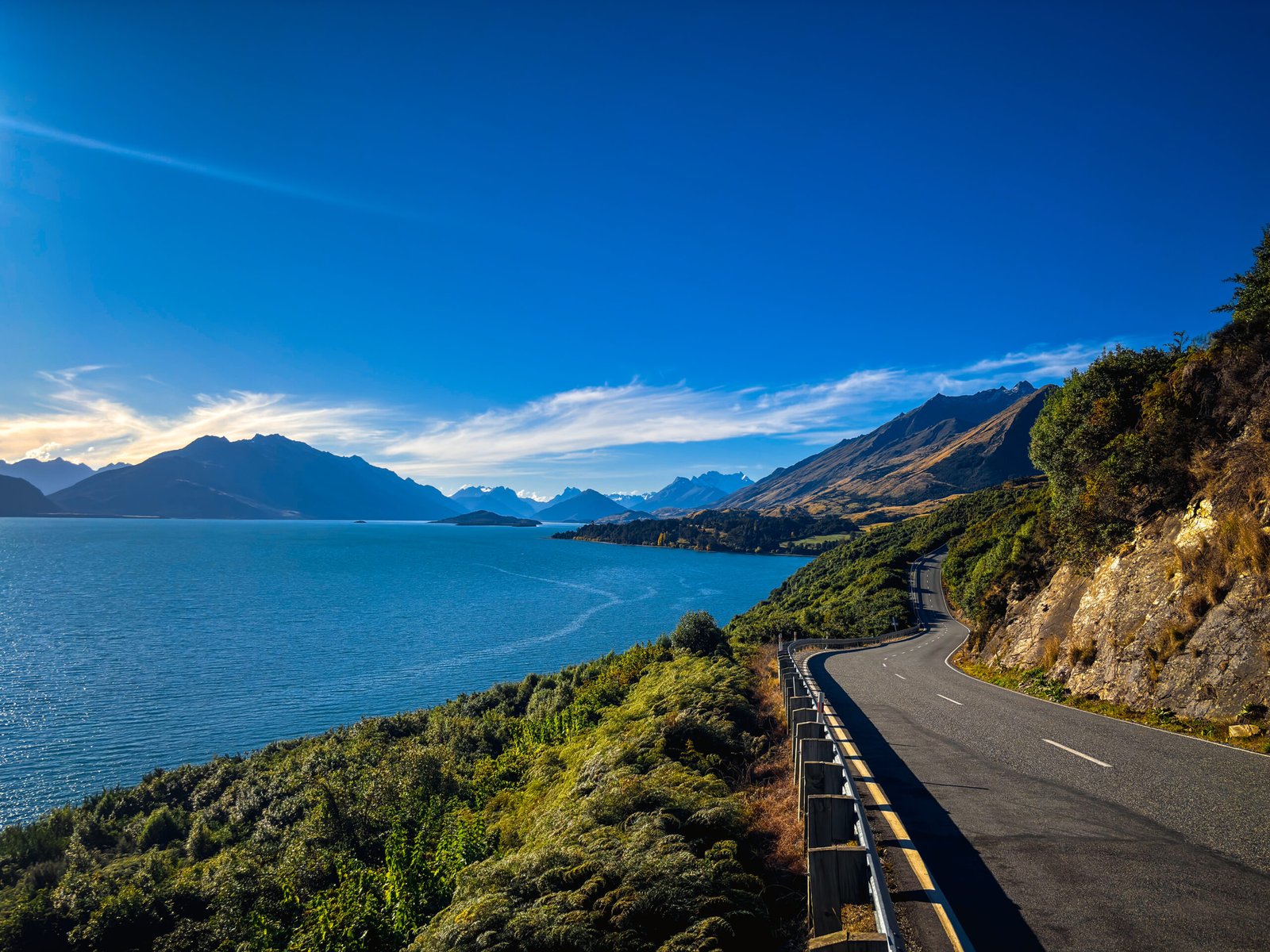
9) Glenorchy-Queenstown Road

The sign “Road to Paradise” that appears just after the last roundabout leaving Queenstown towards Glenorchy says a lot. This road leads to the trailheads of some of the most dramatic hikes in New Zealand and, hugging the shores of Lake Wakatipu on gentle ups and downs, offers breathtaking panoramas in typical “South Island” style.

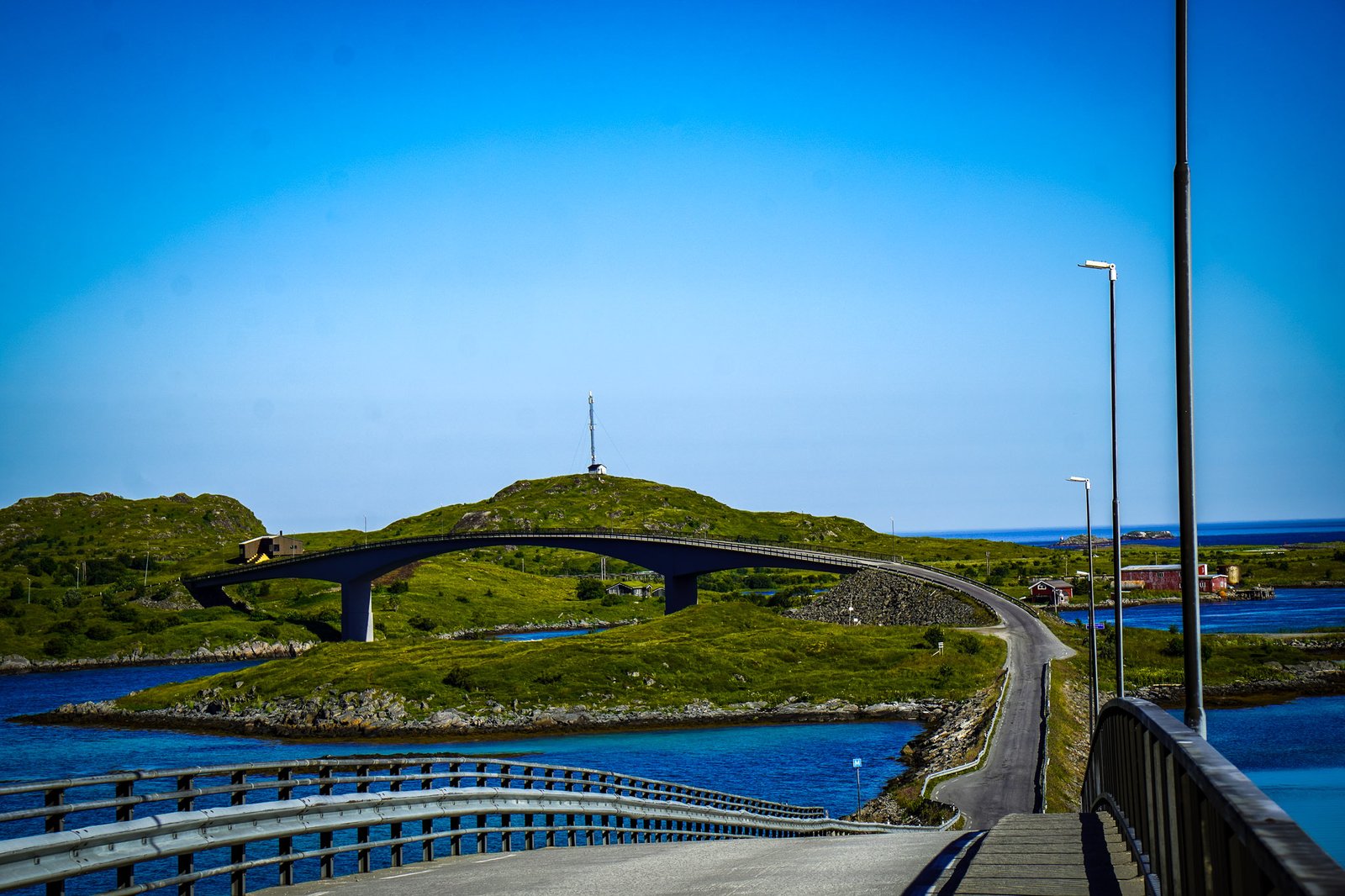
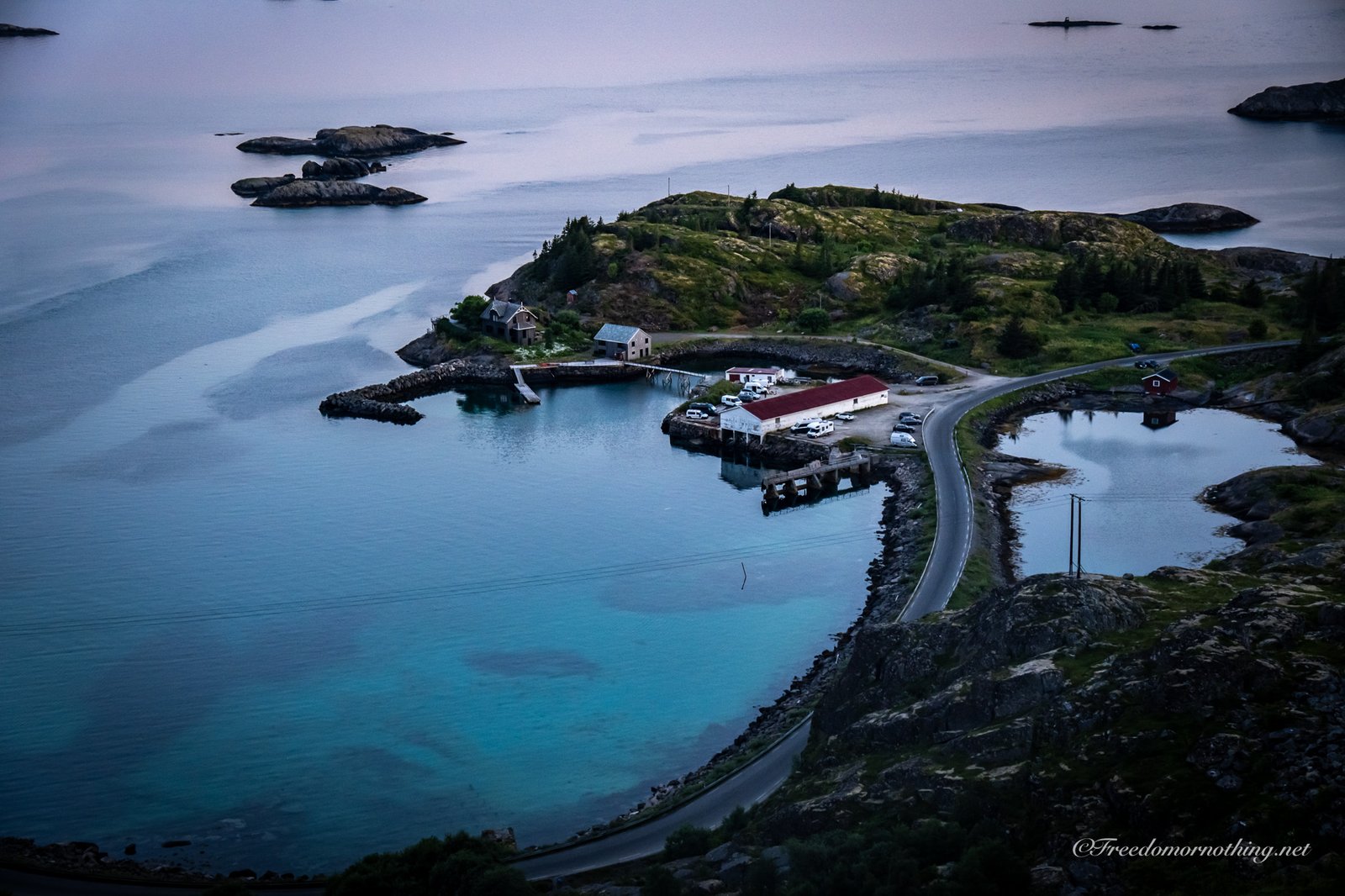
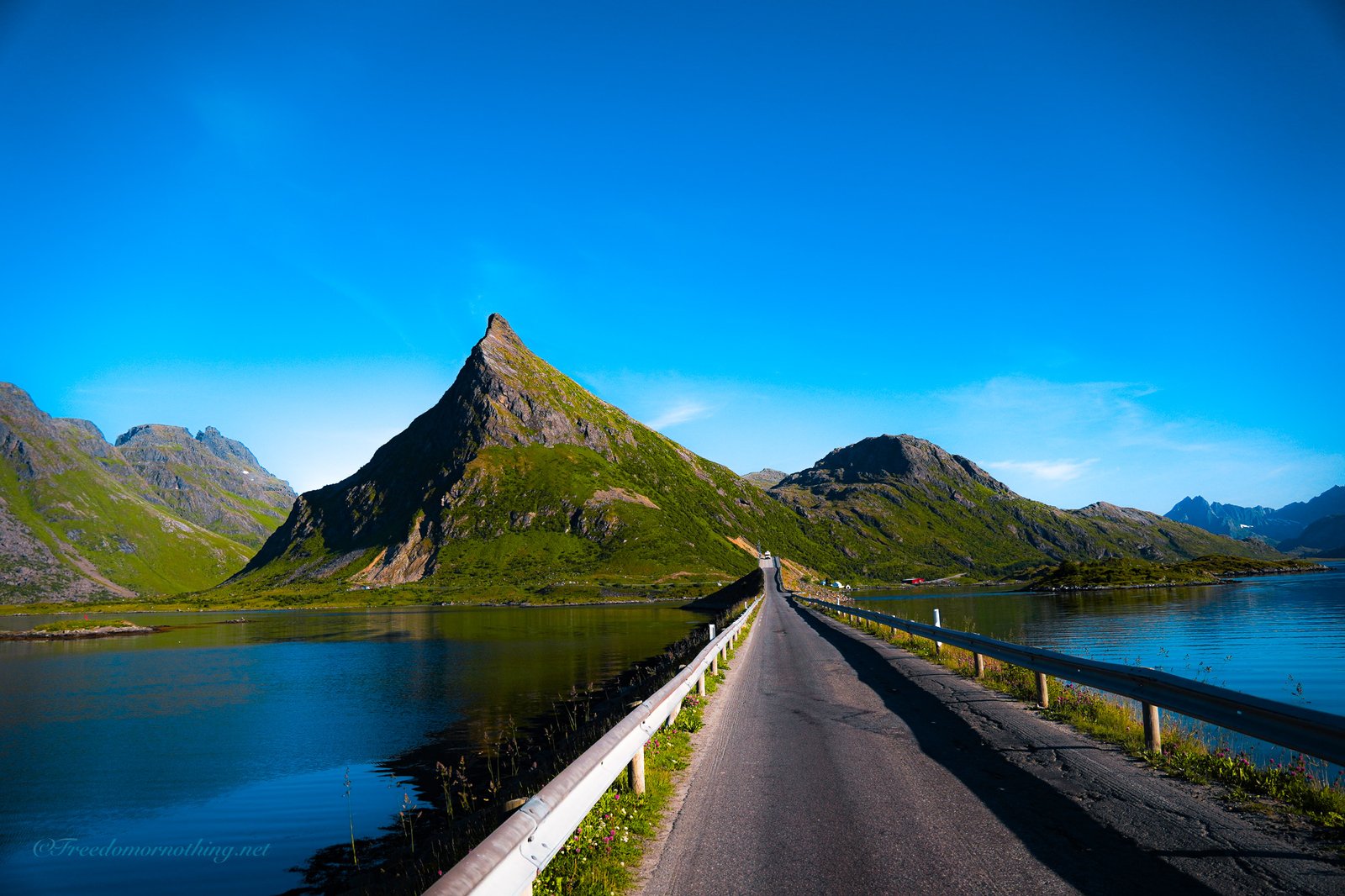
8) E10 highway, Lofoten

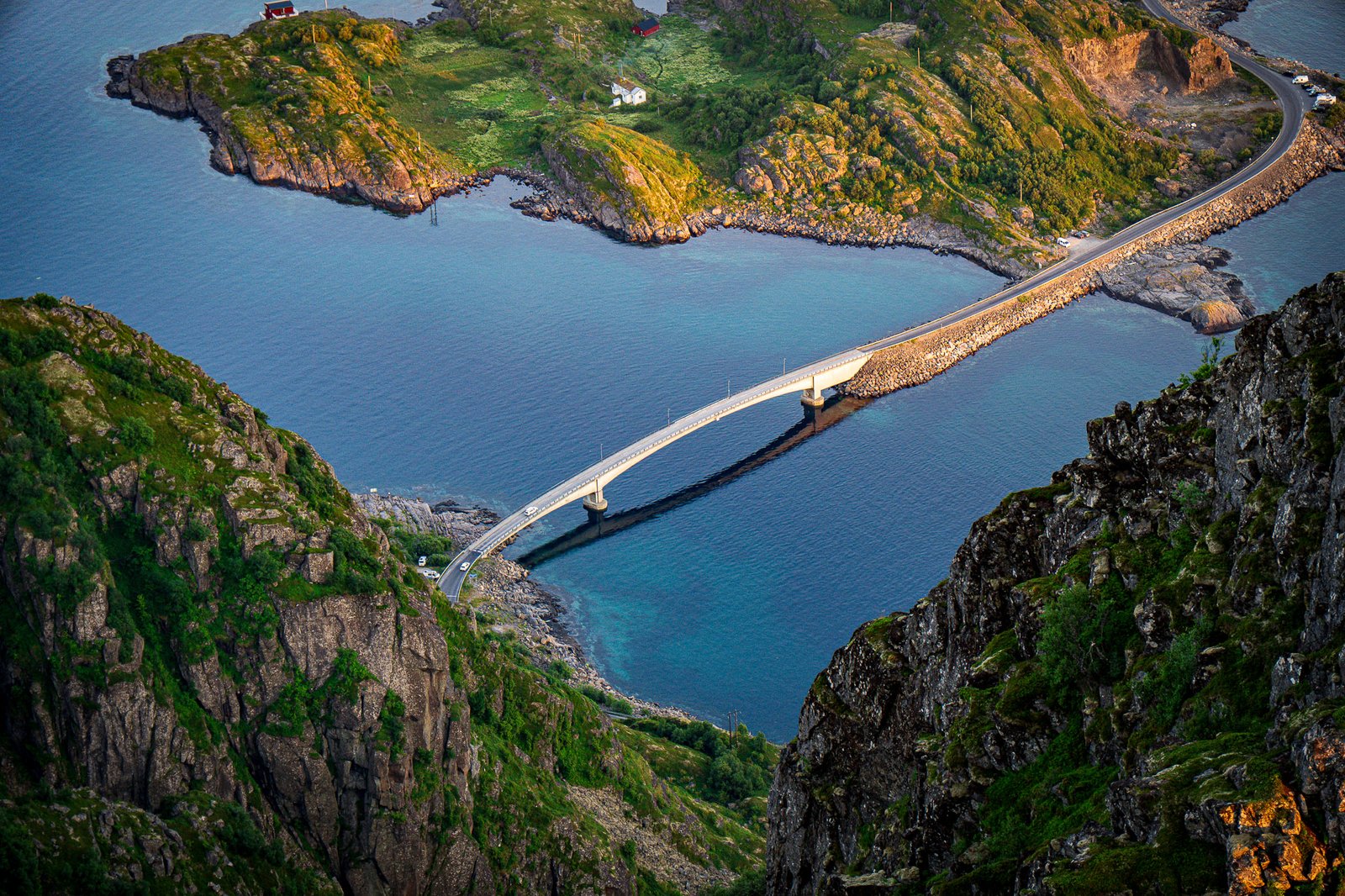
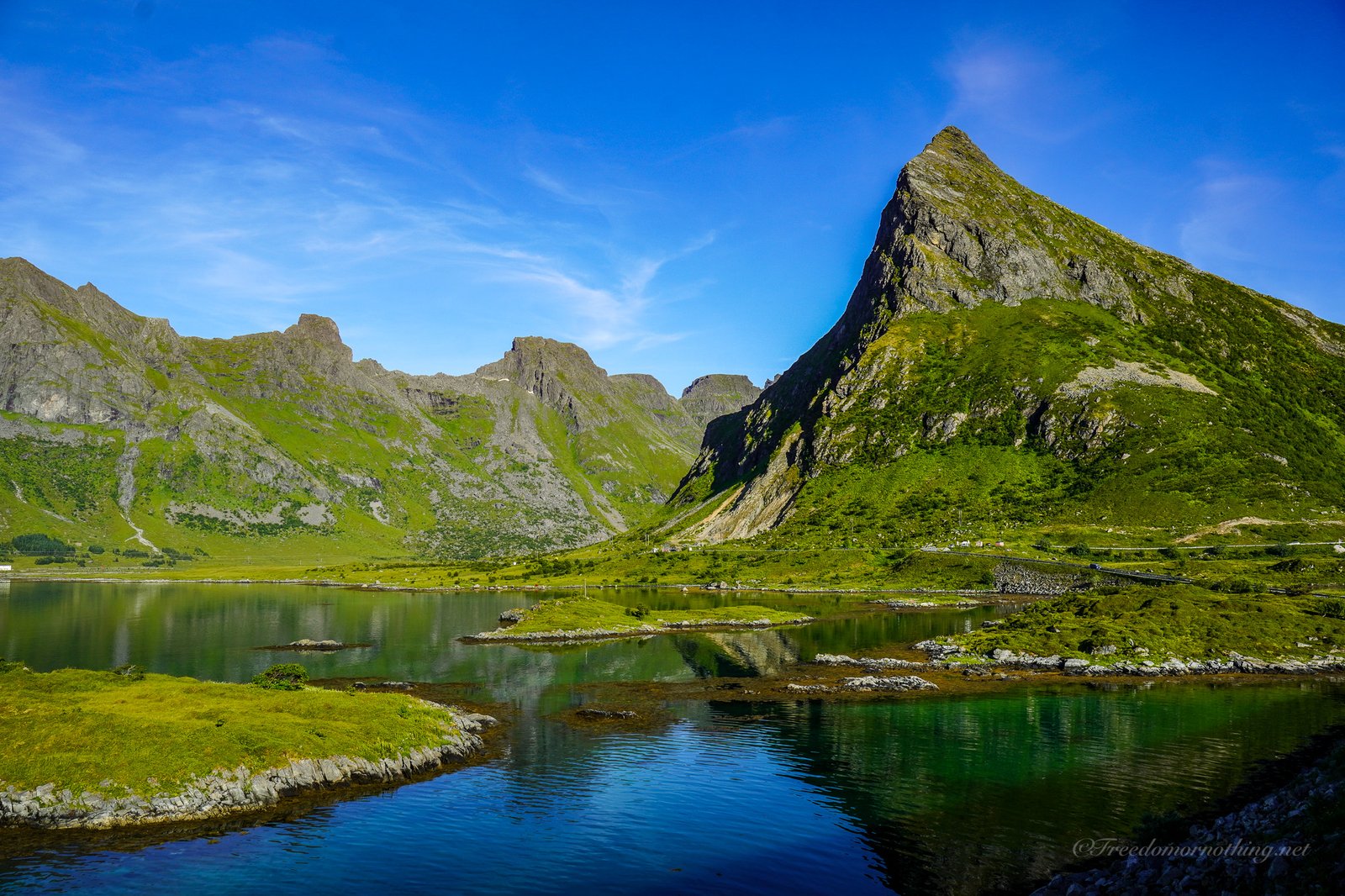
This is the road that slices through all the Lofoten Islands in their magnificence. The section between Reine and Ramberg, especially, is among my favourites. The sheer peaks, the countless bridges, and the crystal-clear waters make even a simple bus ride memorable. Plus, the calm and respectful driving style of the Norwegians towards pedestrians keeps the peace of this place intact.

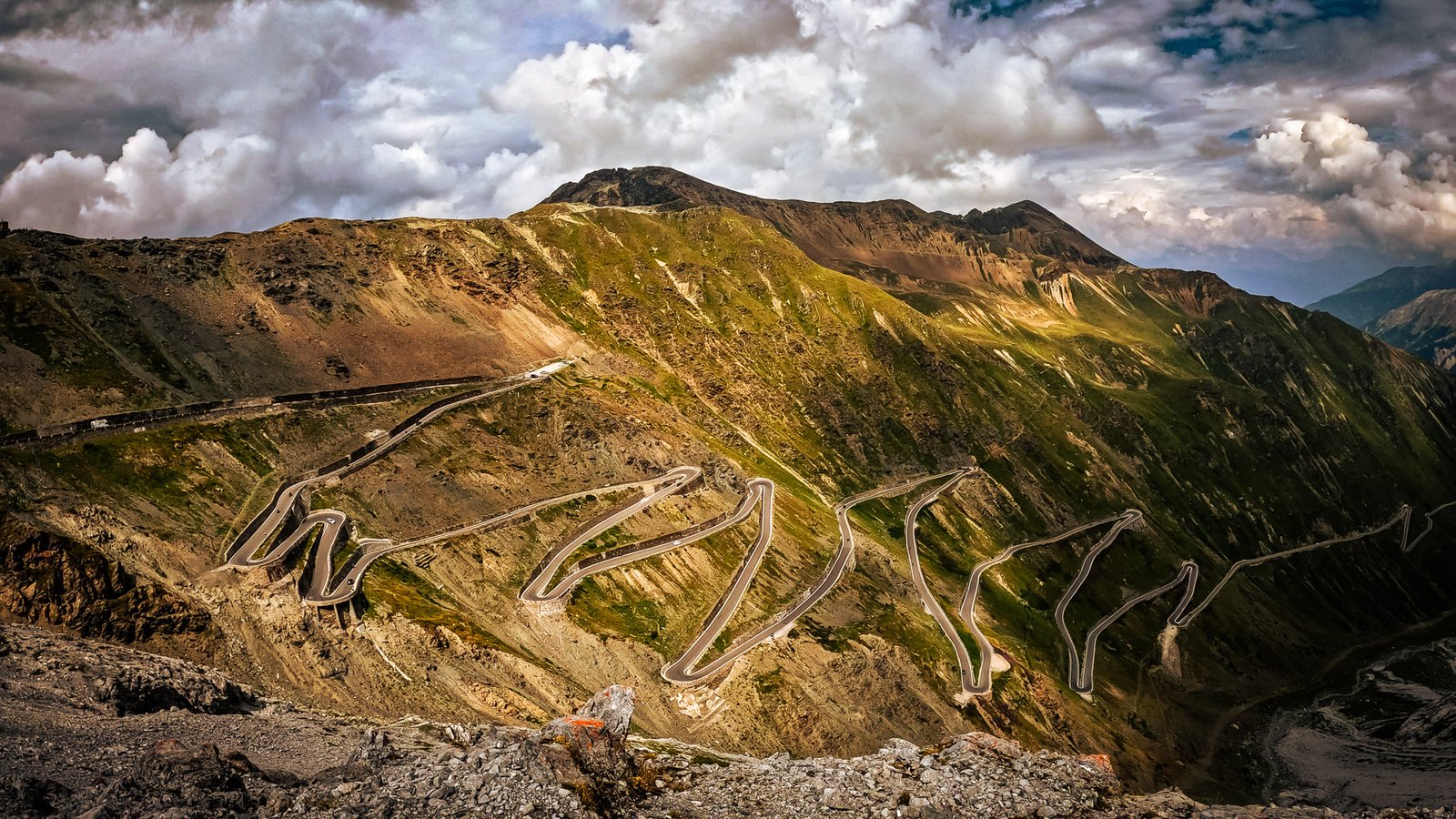
7)Passo dello Stelvio

One of the most famous passes in the world. And with good reason. Home to cyclists, drivers, and bikers, it’s often too crowded for my tastes, but the beauty remains immeasurable. The South Tyrolean side is the one that, seen from above, creates the famous serpentine shape photographed by everyone. However, that side is less scenic to drive up because the road is narrow and hemmed in by large protective barriers. The Lombardy side is the memorable one to drive, cutting through open valleys, mountain tunnels, and waterfalls.

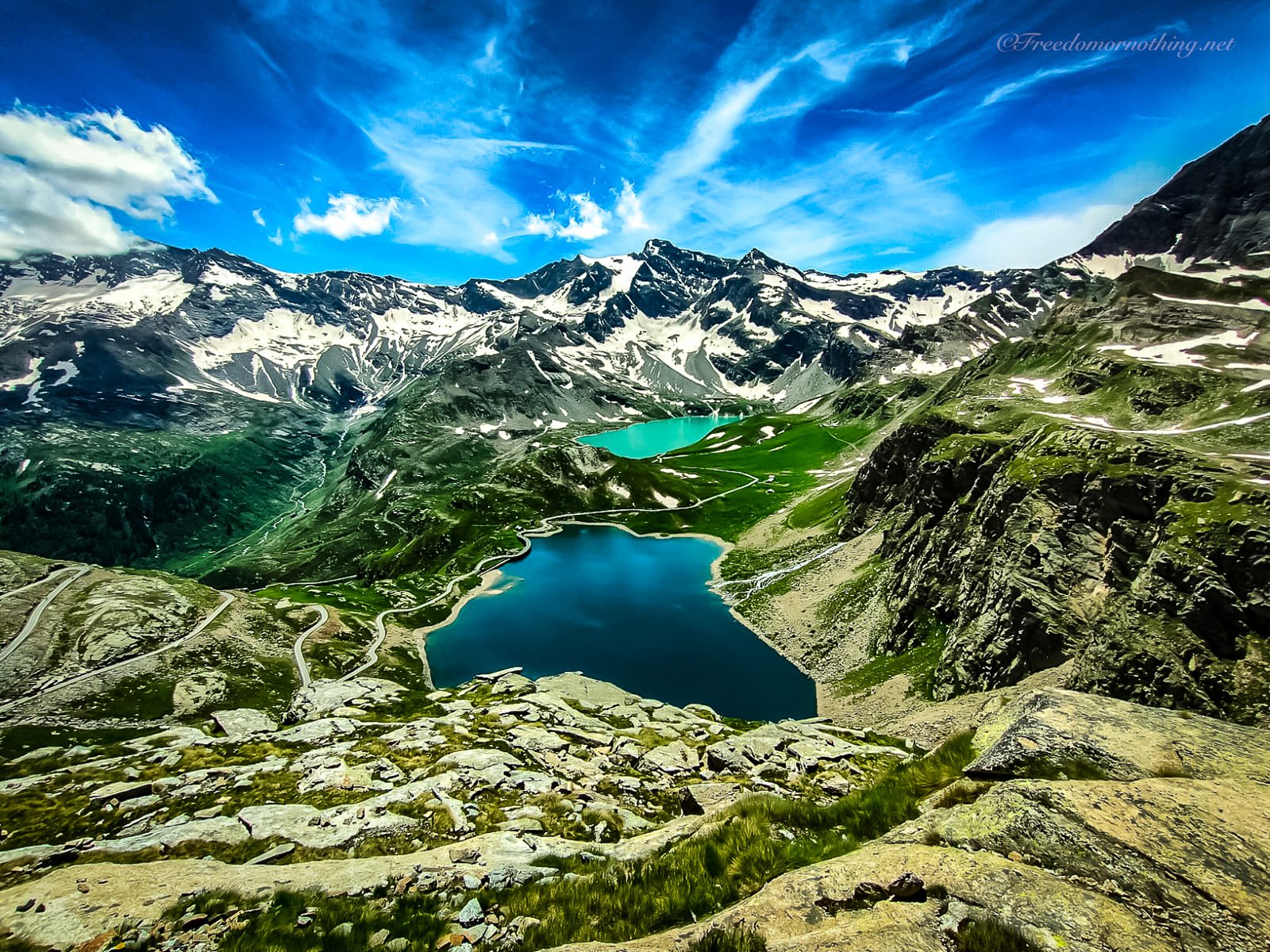
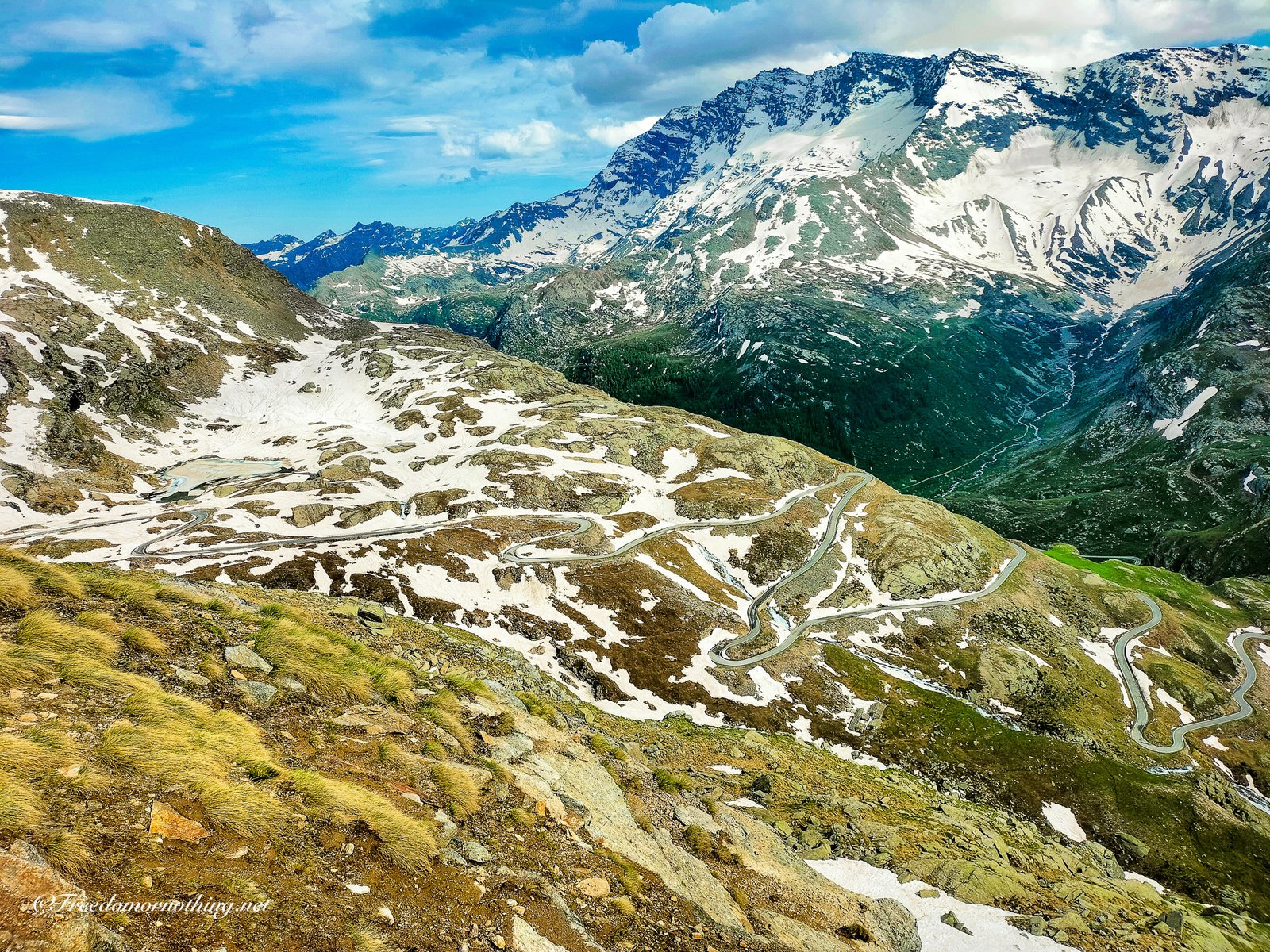
6) S.P. 50 del Colle del Nivolet

This is one of the highest passes in Italy and Europe, straddling the border between Valle d’Aosta and Piedmont. Starting from Ceresole Reale, you climb up a sensational valley of streams and waterfalls through a series of switchbacks where you need to pay serious attention to the wheel because the spectacular view keeps distracting you, dragging your gaze down to the valley. Better to pull over where possible. Pushing on, when the snow allows, you can drive right up to Colle Nivolet at a solid 2,612 m a.s.l., where the view over the lakes and dams is among the most beautiful and probably underrated in Italy.

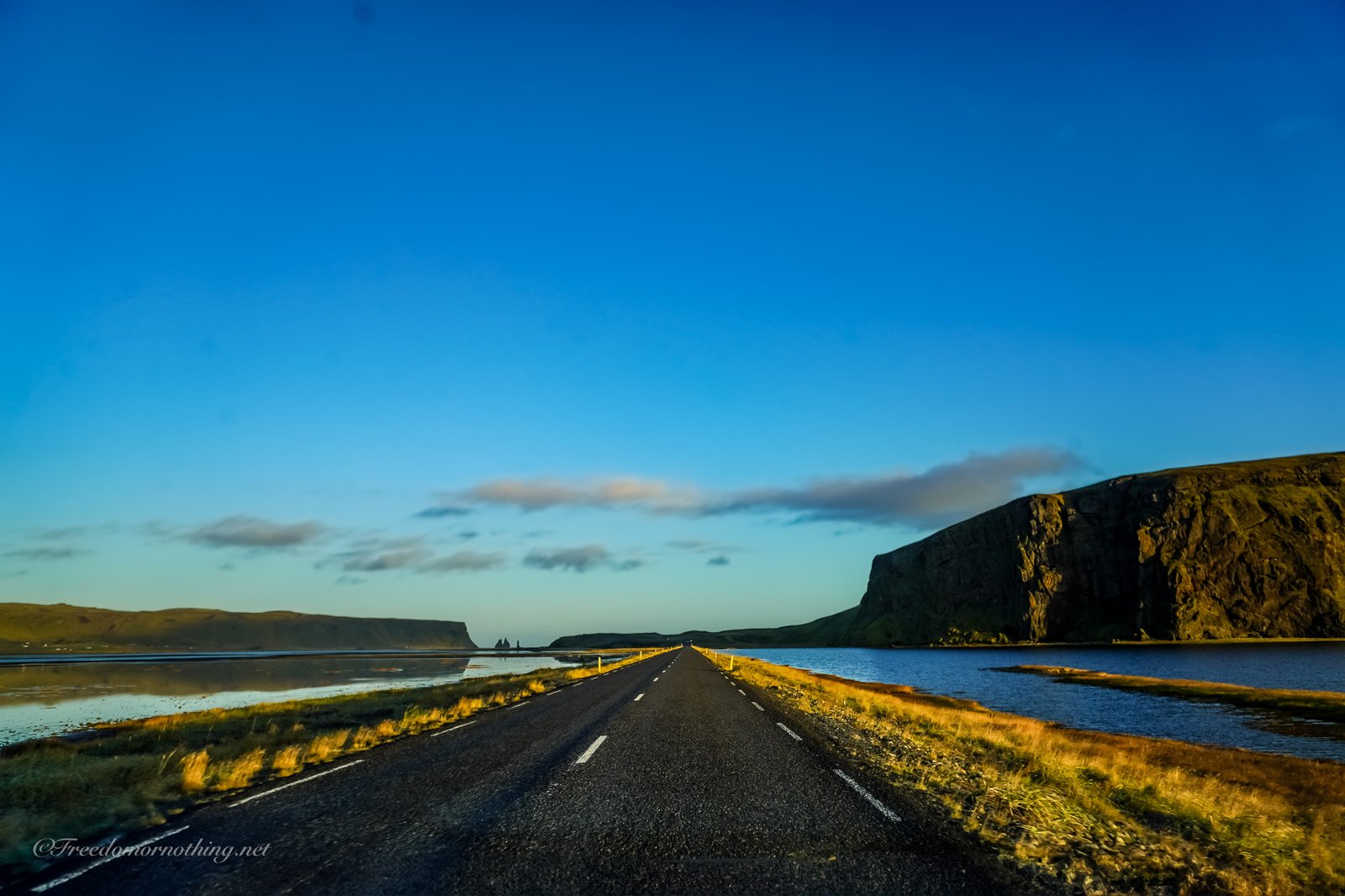
5) Ring Road (Route 1), Iceland

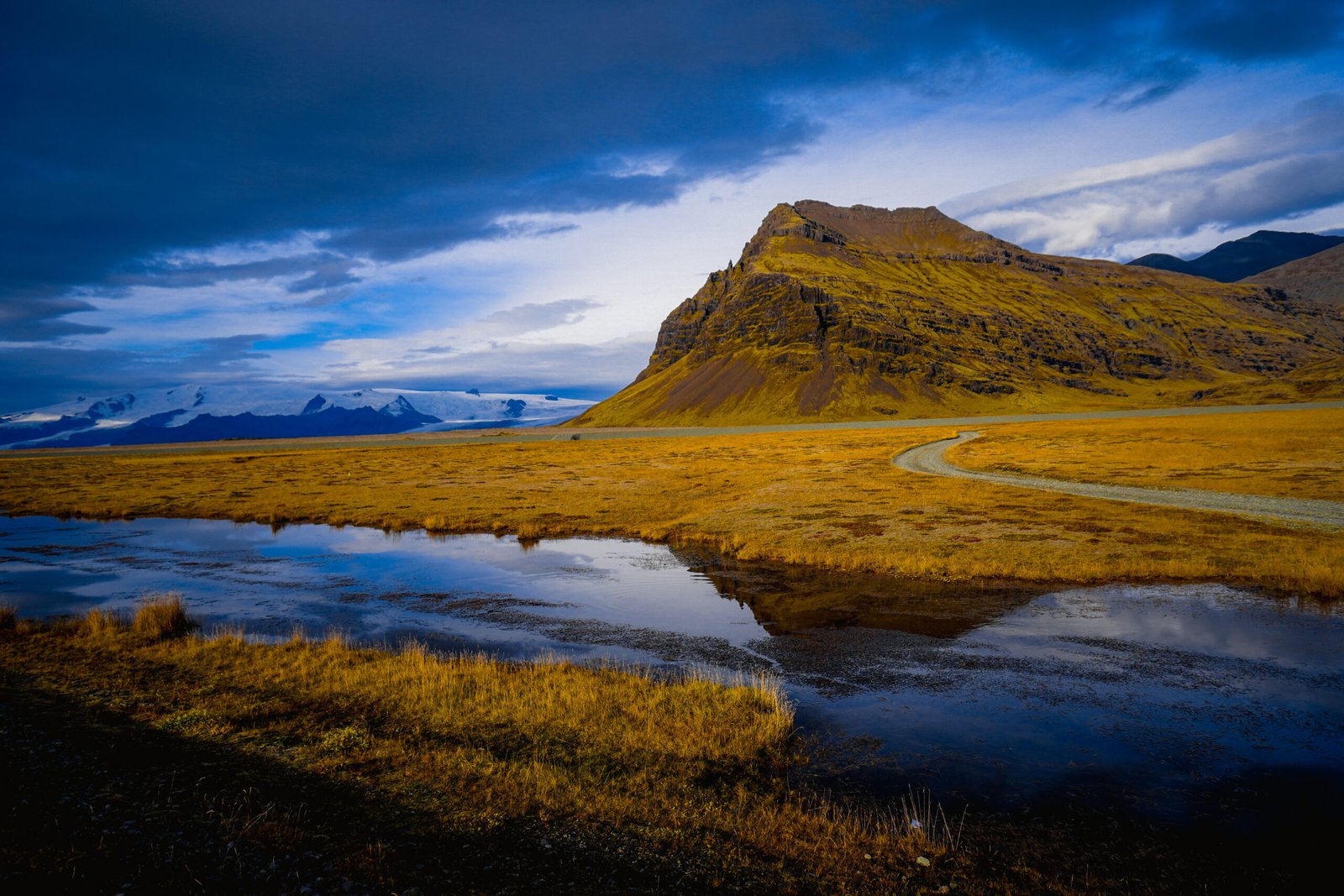
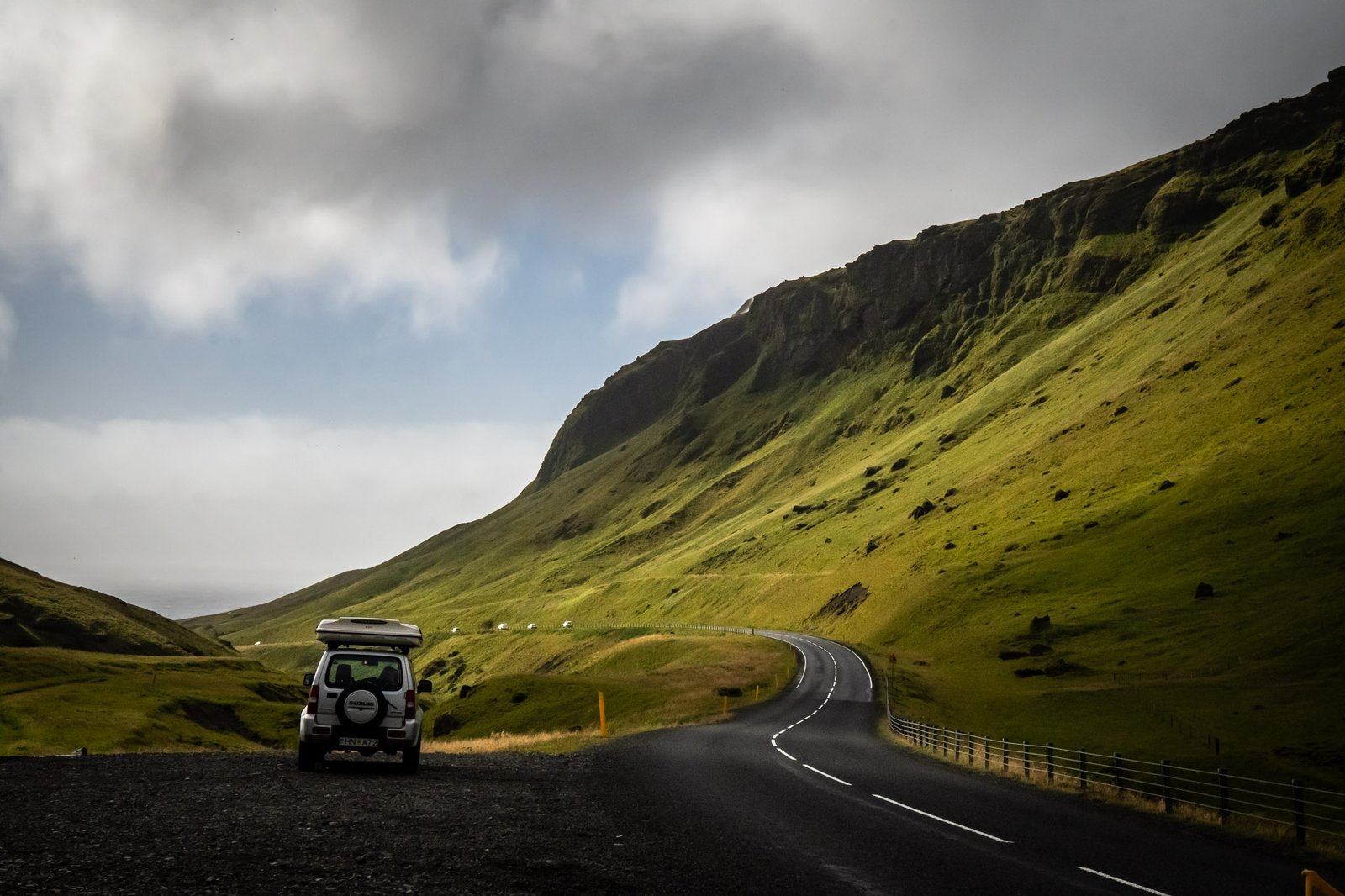
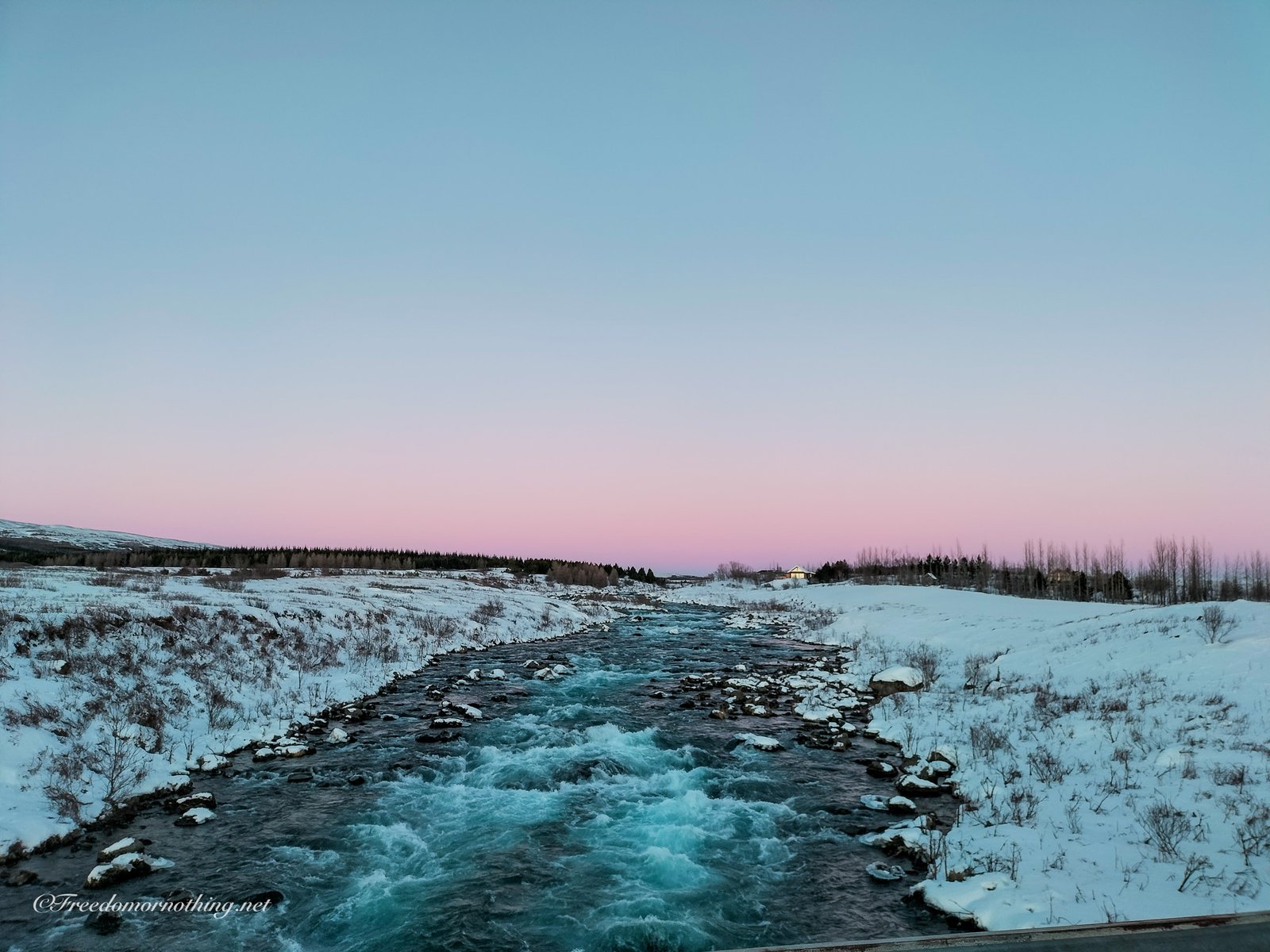
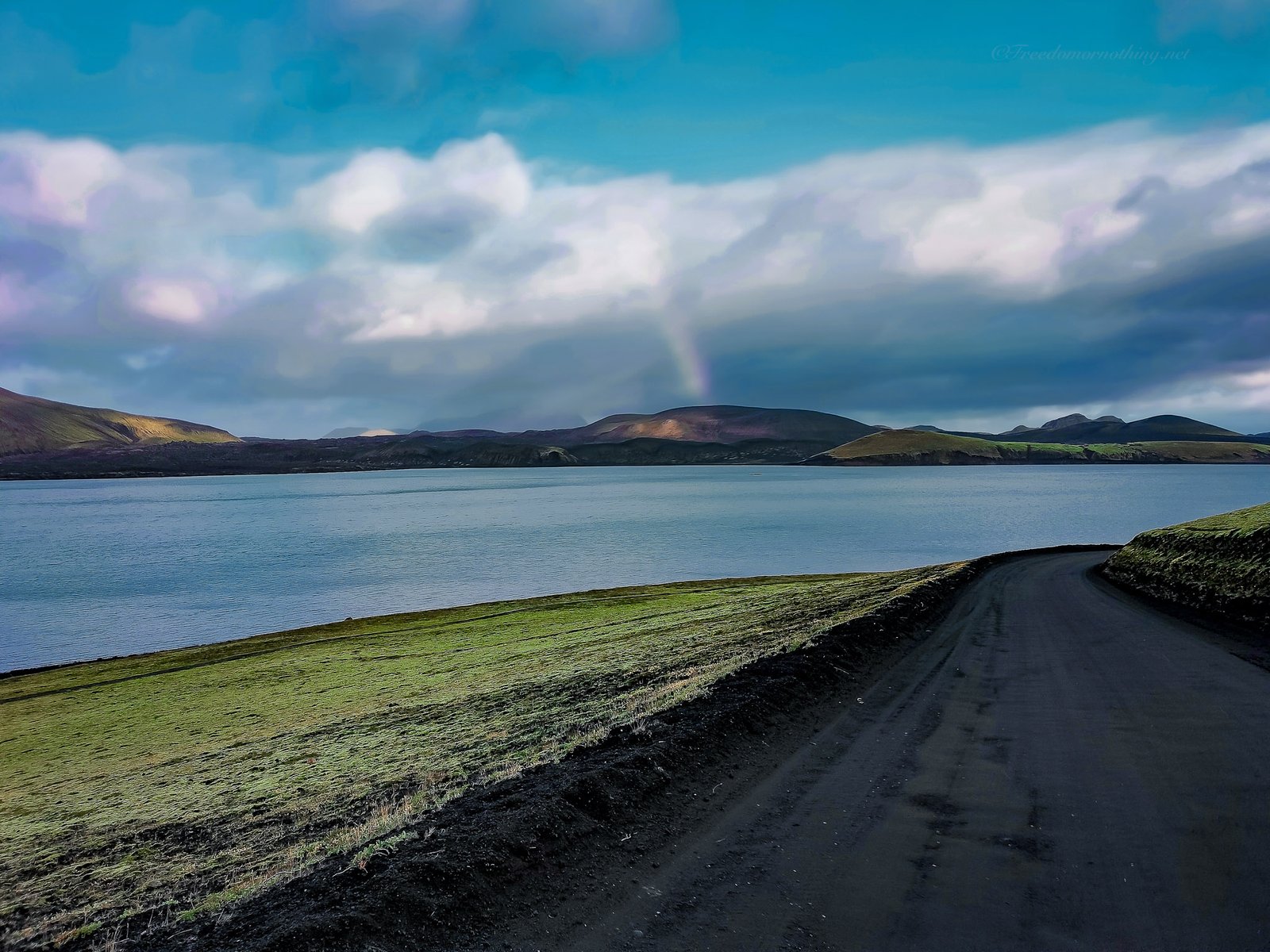
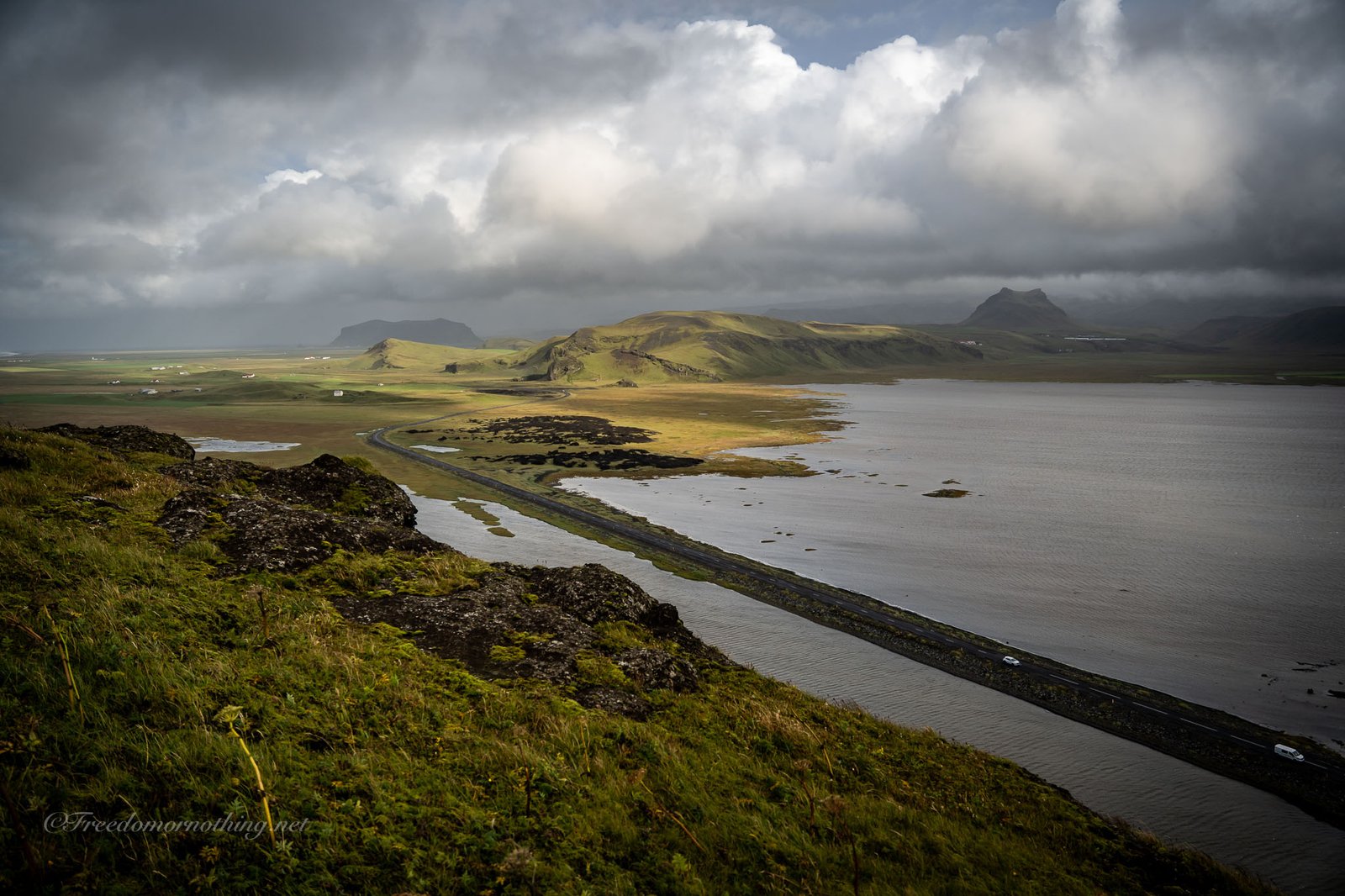
This isn’t a simple road but the entire ring that covers the outer perimeter of Iceland. Granted, it’s hard to find ugly roads in this land at the edge of the world, but the Ring Road, even if often overloaded with tourists, couldn’t be missing from the list. At least once in a lifetime, I believe it should be covered entirely, or at the very least the southern side.

4) Lindis Pass


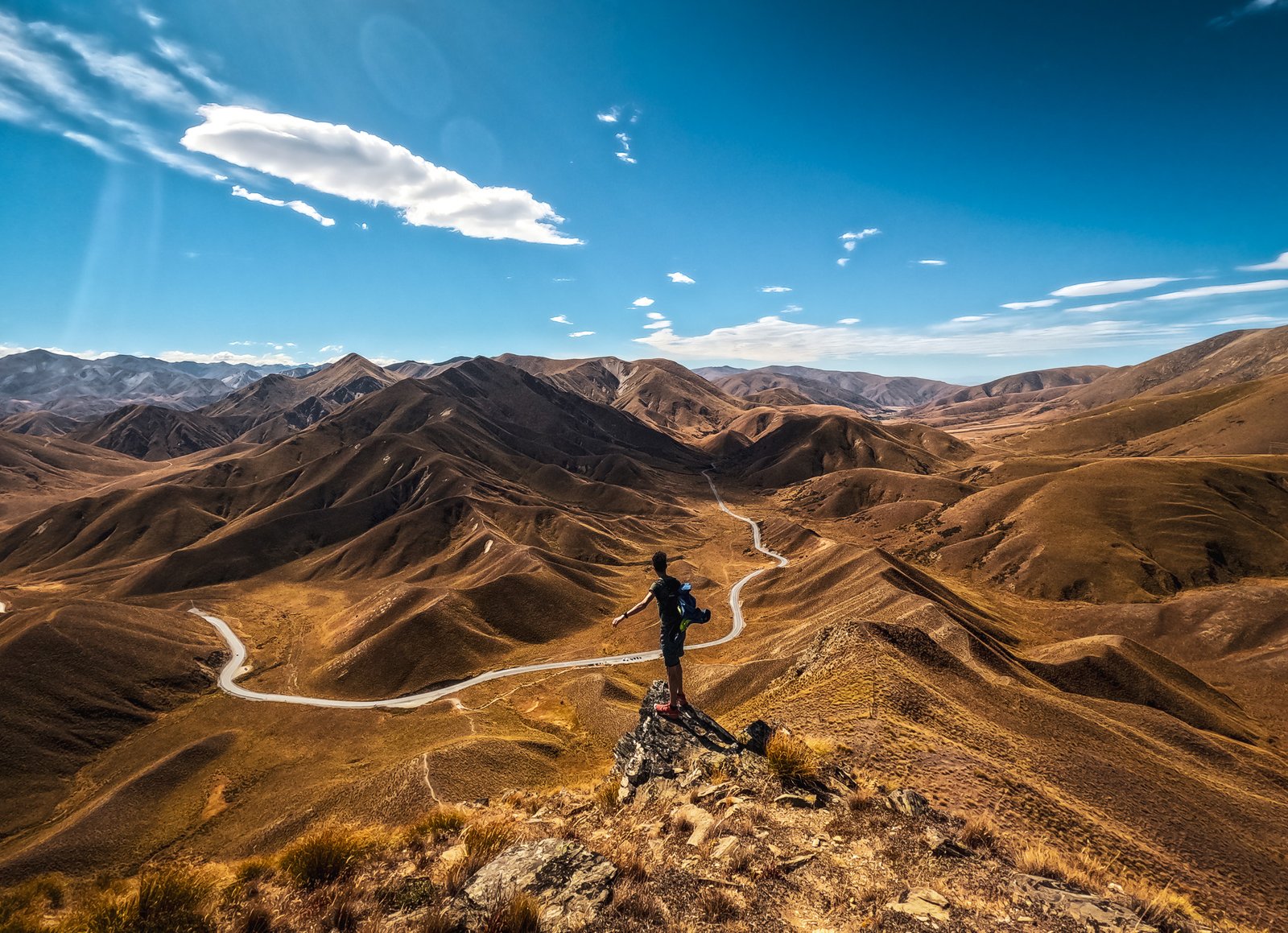
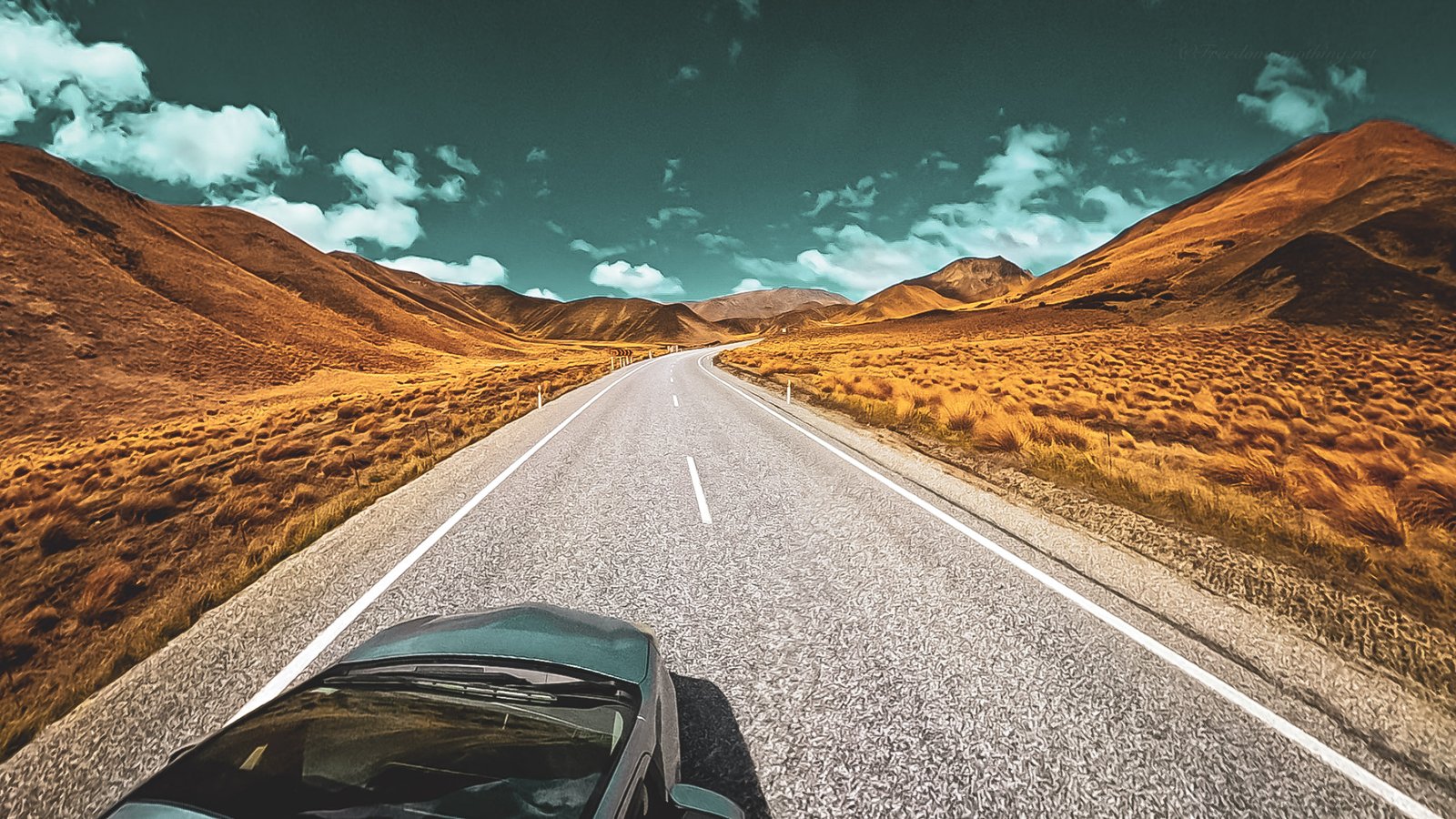
Located halfway between Cromwell and Omarama, this epic pass offers an experience I will never forget. The impression is of being in a lunar landscape on a rollercoaster that snakes between velvety hills scattered with tussock, which catch fire at sunset. You climb up to the lookout (link) of Lindis Pass and then—down!!!—onto the long final straight, offering a view that brings you back to life. Seriously.

3) Mount Cook Road

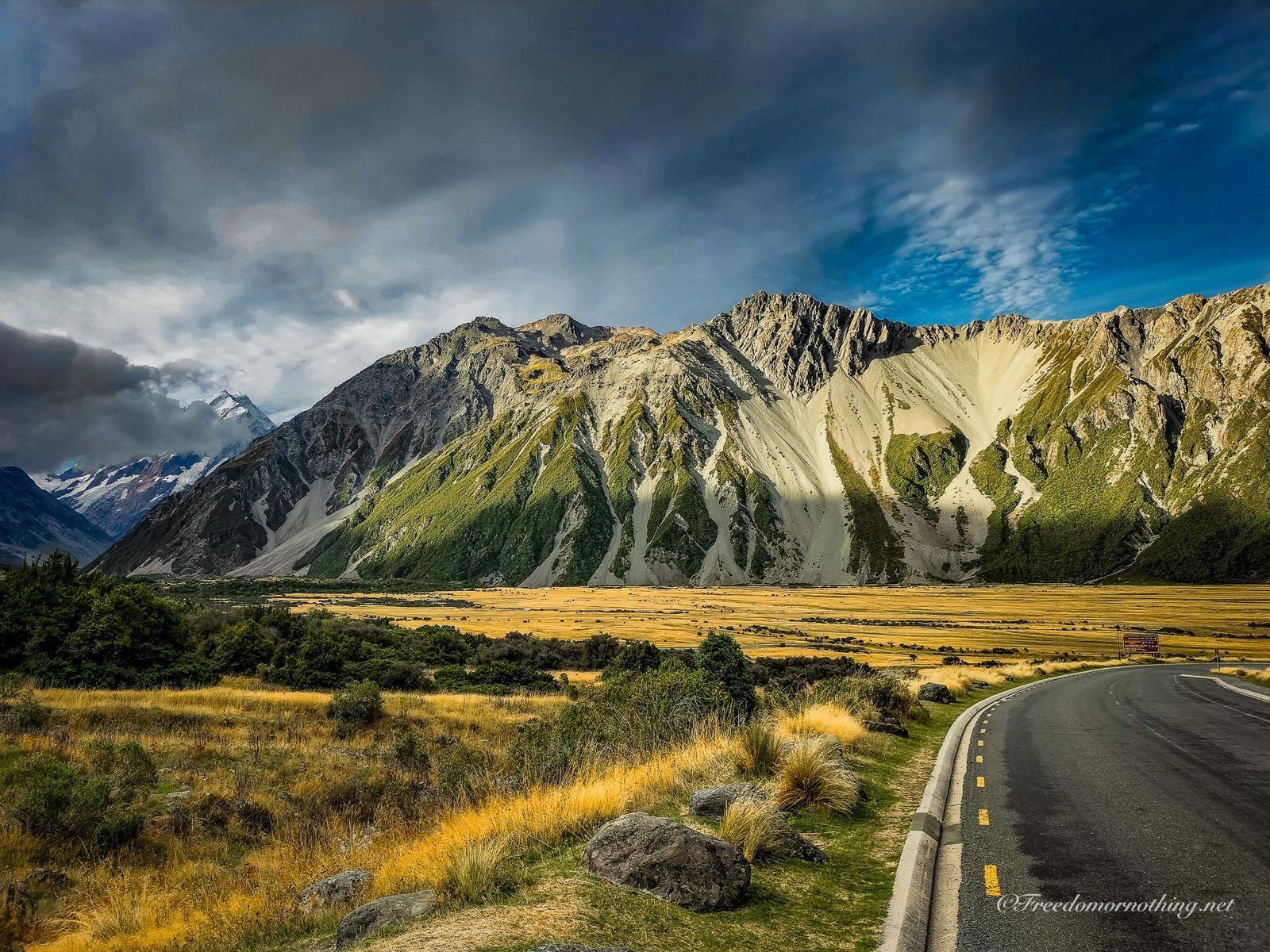
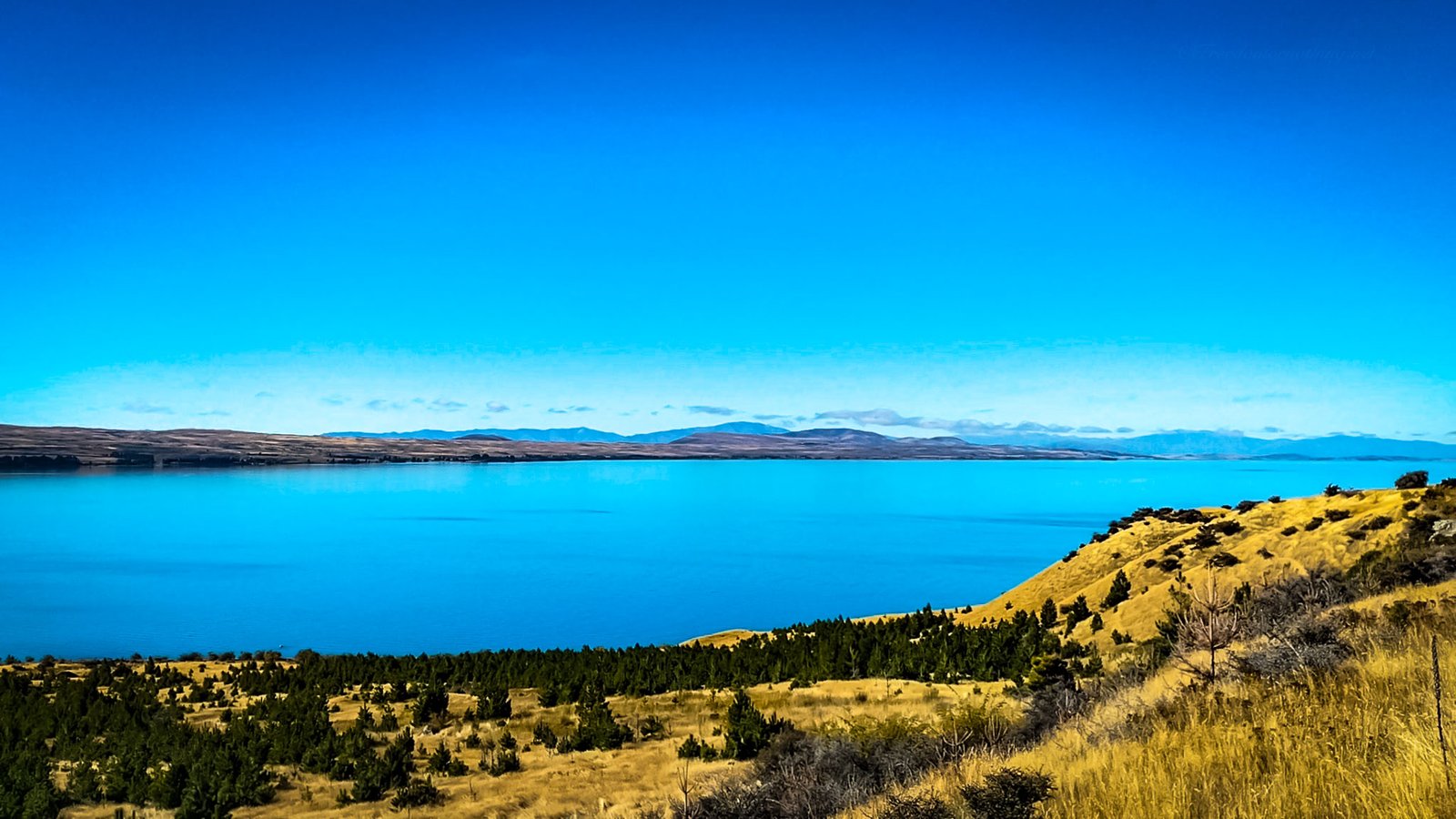
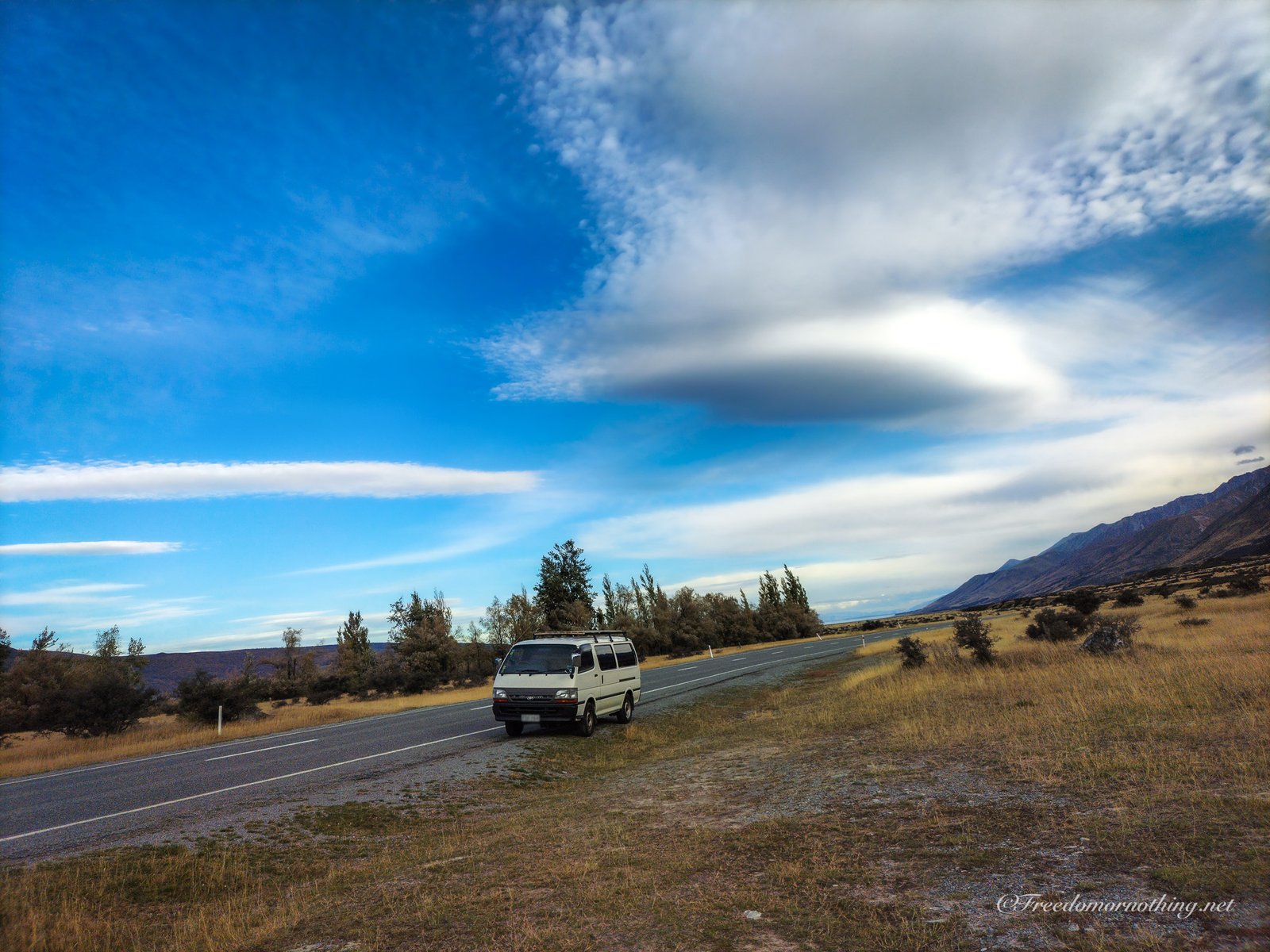
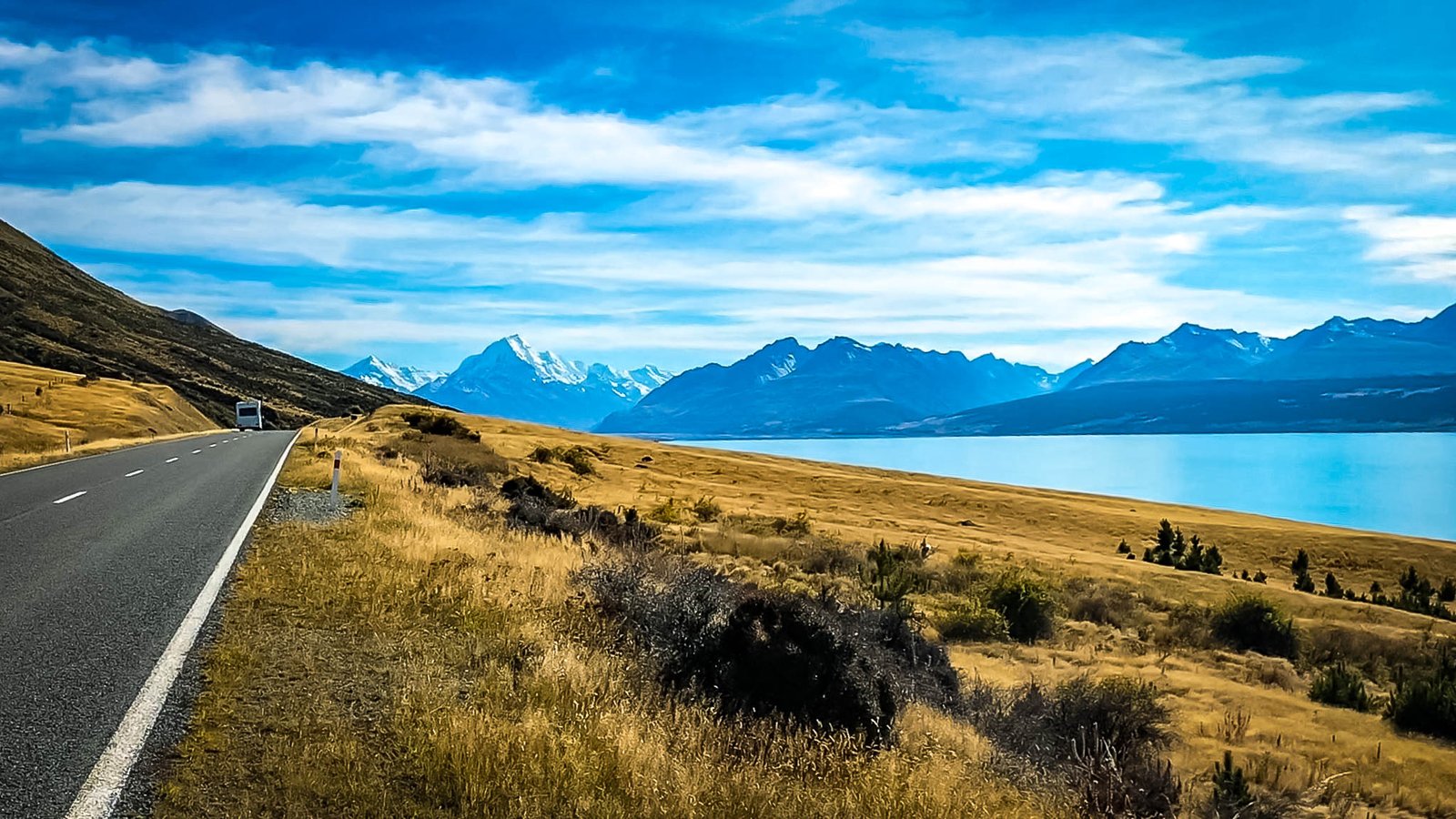
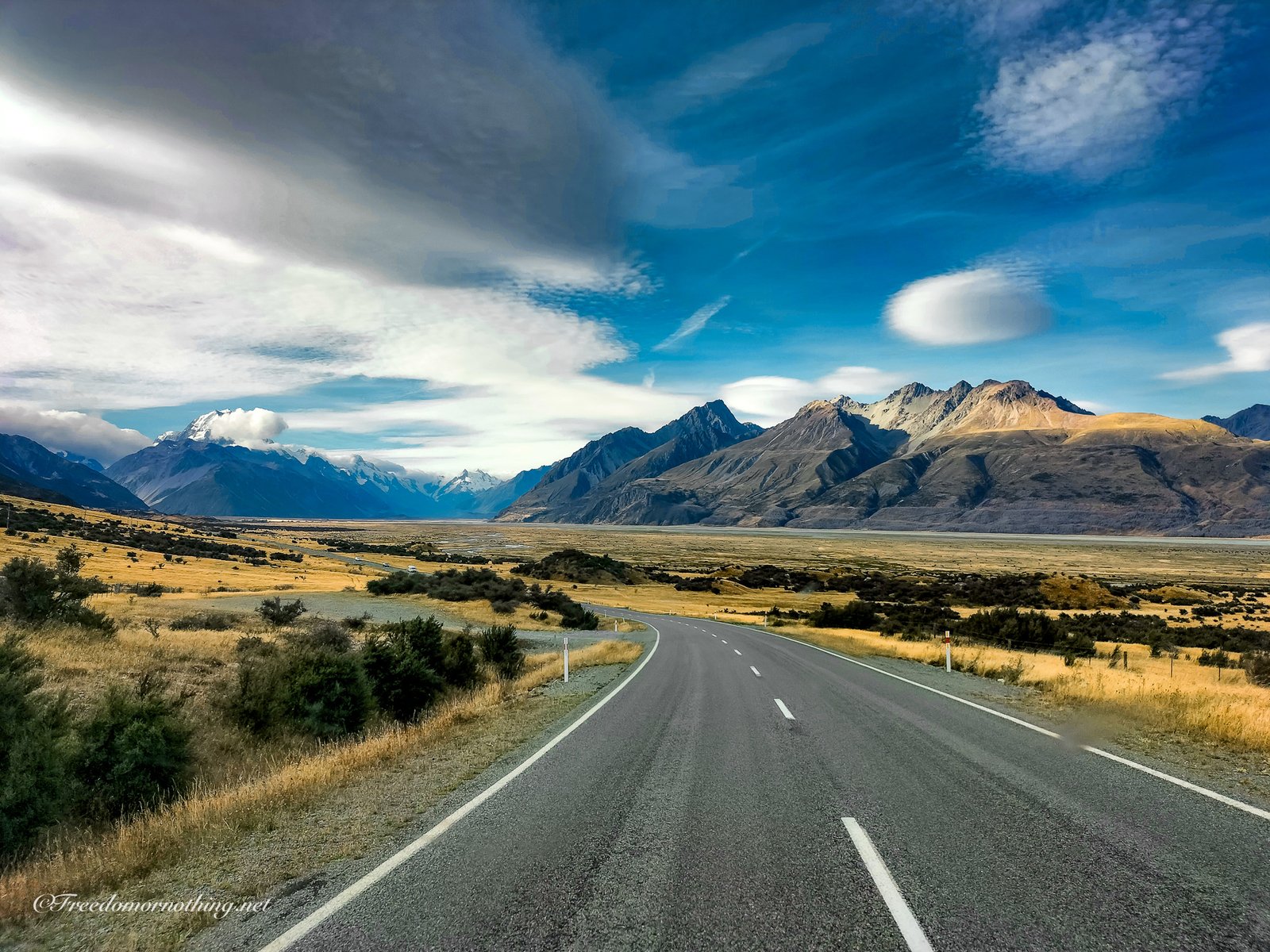
Impressive. I remember the first time, in my rental Toyota Yaris, asking myself how the turquoise colour of Lake Pukaki, which follows the road towards New Zealand’s highest mountain, was even possible. Continuing up to Mount Cook Village, it opens onto gigantic alluvial plains with the chain of the Southern Alps on the horizon, covering about 55 unforgettable kilometres.

2) F208 Sud – Landmannalaugar

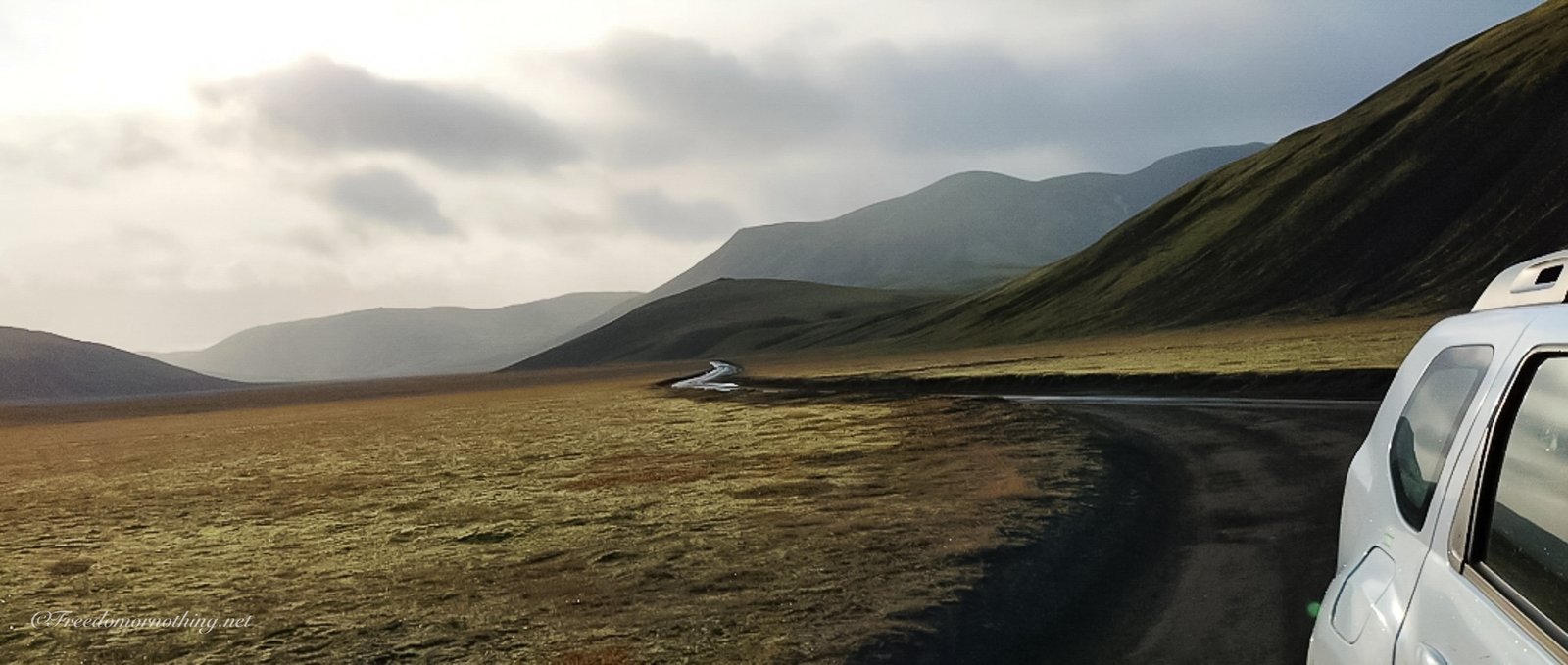
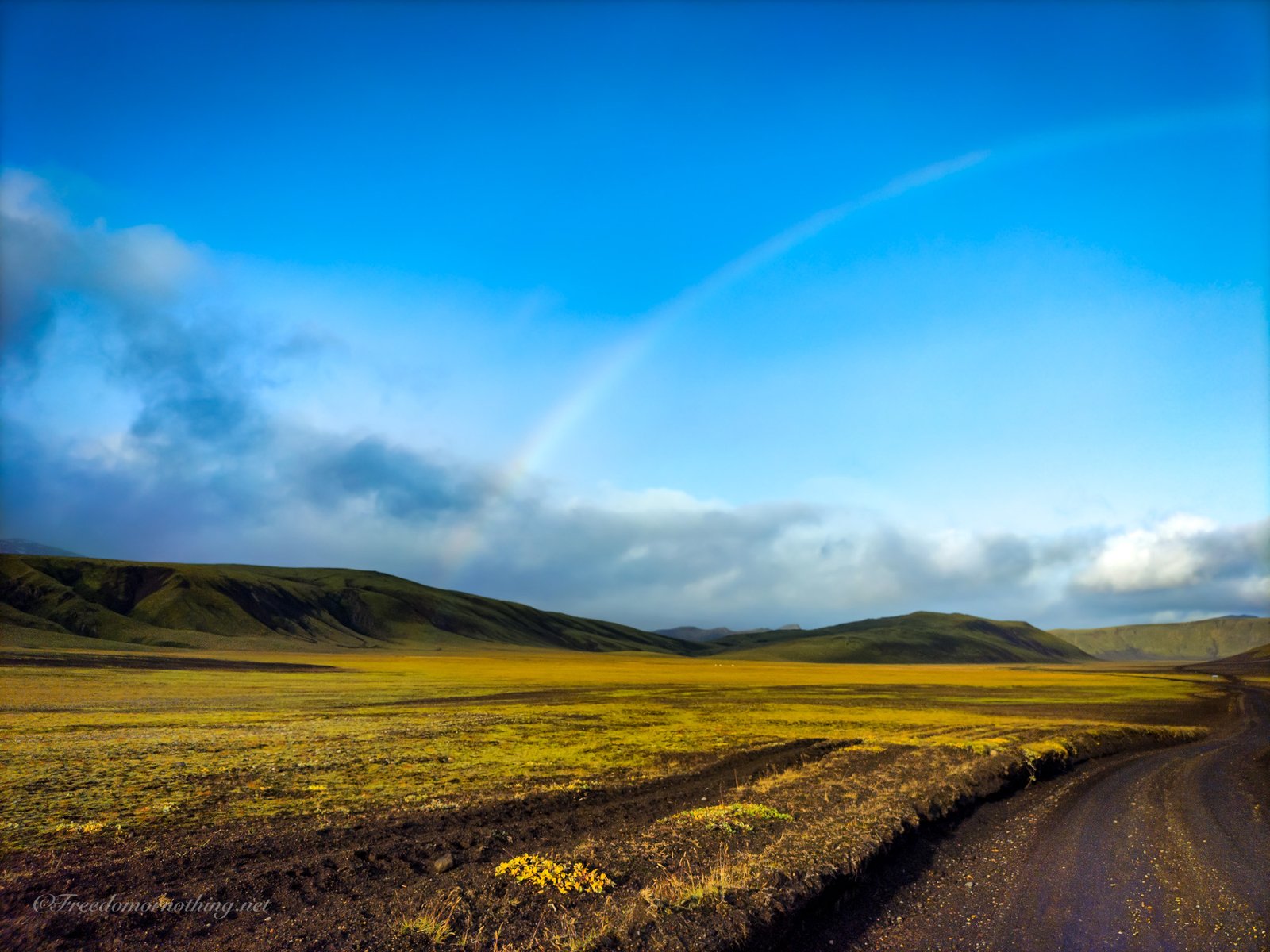
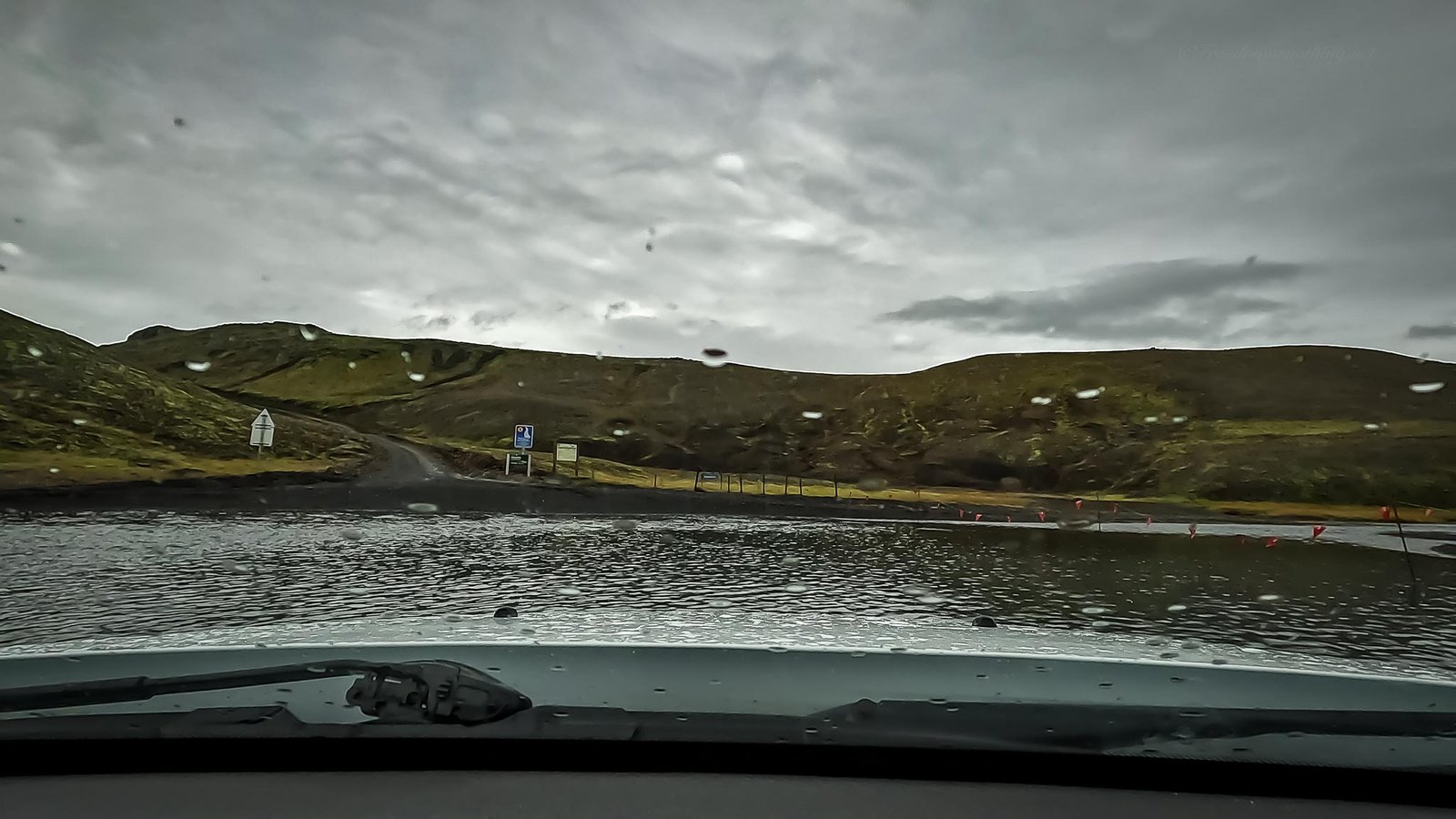
Not for the faint of heart. This isn’t a road, it’s a mission. I drove it on a rainy day, wondering if my humble Dacia Duster would be able to cross the small (but real) rivers you find along the way. There are many F-Roads (link) in Iceland, and this is one of the most accessible, but certainly not to be underestimated. If you know how to dance beyond the line of what is marked and safe, these places are for you. I wrote a specific article (link) on my experience, so I won’t drag on. Suffice to know they are among the most incredible routes on our planet.

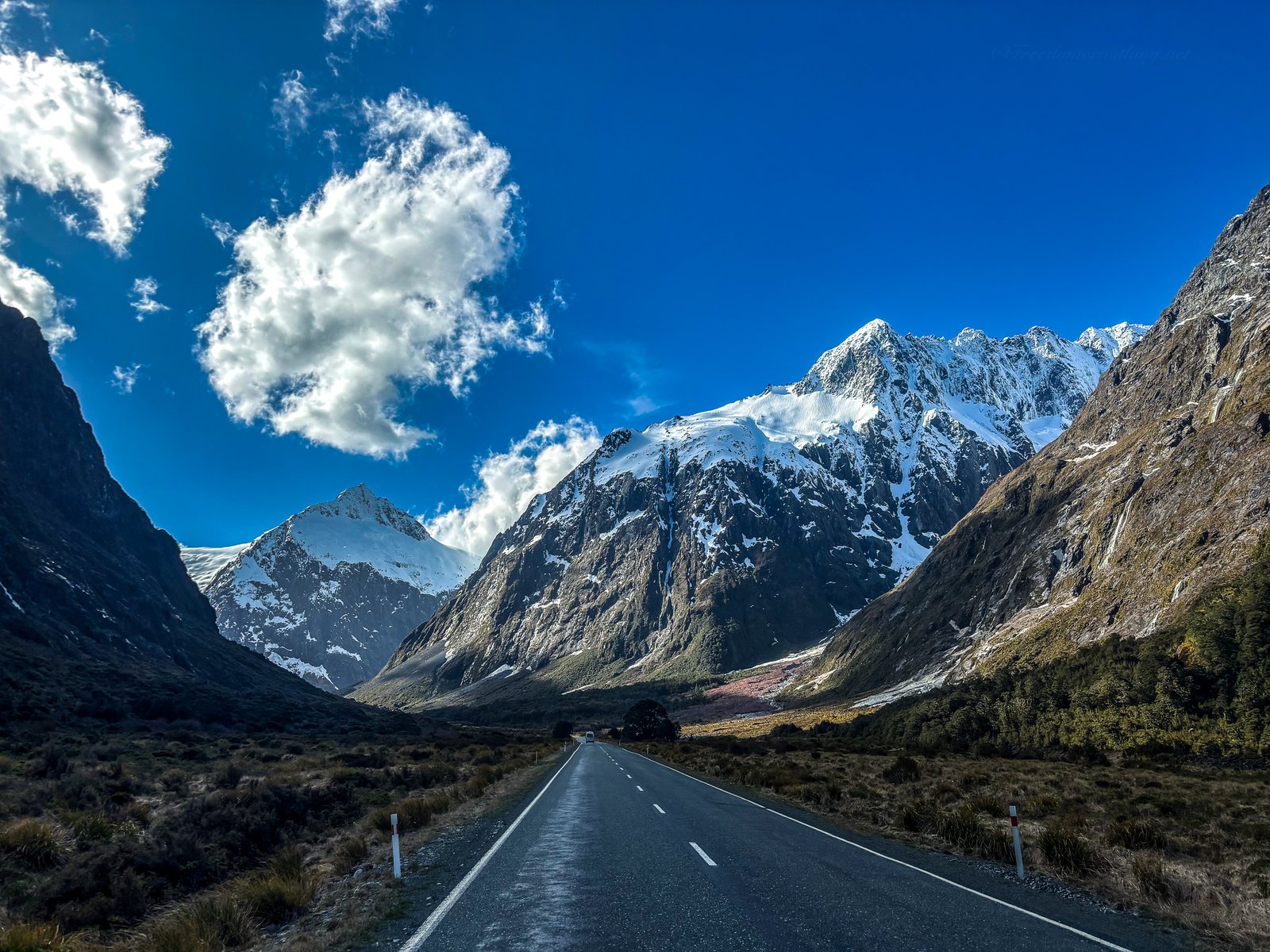
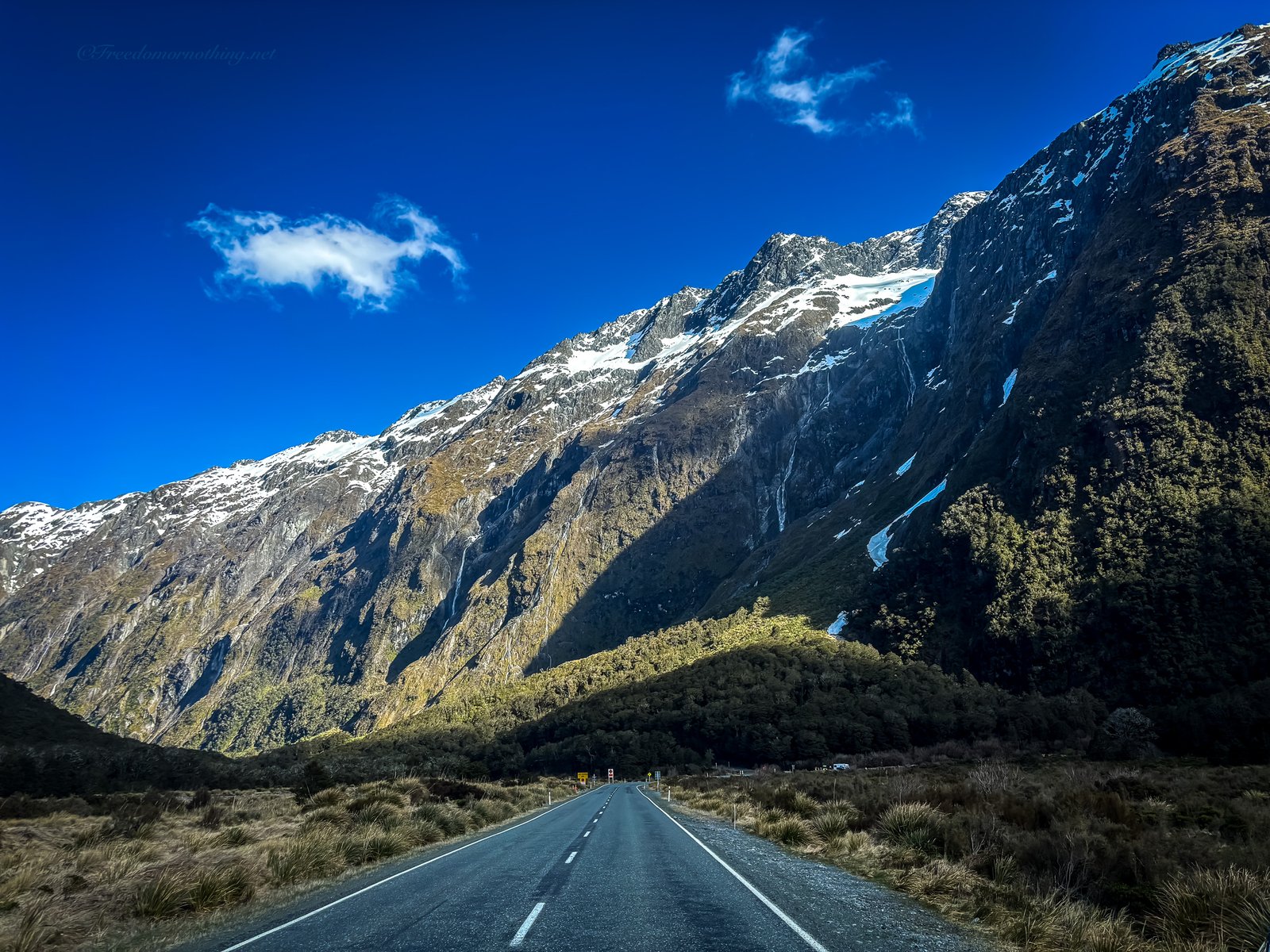
1) Milford Road

This road sits in the beating heart of New Zealand: Fiordland. I find it difficult to even speak about this place, because words often empty the meaning of something that isn’t tellable and must be lived on your own skin, especially if tied to intimate and personal emotions.
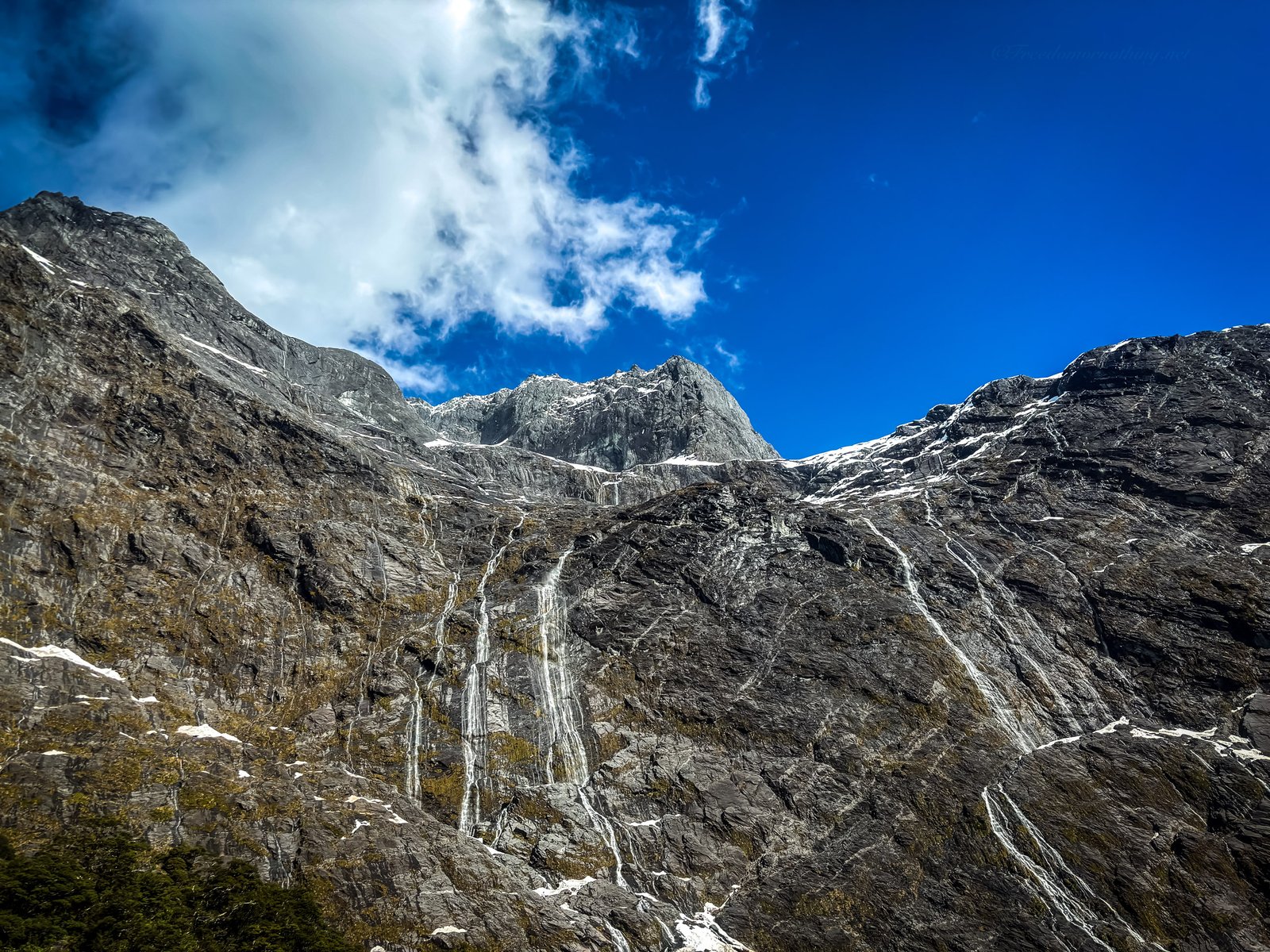
It is one of the purest, most intact, and wildest areas in the world, described by UNESCO as a “heritage of humanity,” comprising over 1.2 million hectares of deep fiords, steep mountains, and ancient rainforests, with very few traces of modern human presence.
Now, I might say a “blasphemy,” but on my trips to Milford Sound, I appreciated the panoramas along the road more than the cruise on the fiord itself (which is obviously remarkable). Furthermore, some hikes accessible from here are among the most spectacular in the world.


The list will be updated over time if my journey leads me onto roads even more epic than those I have driven up to the moment I am writing this…

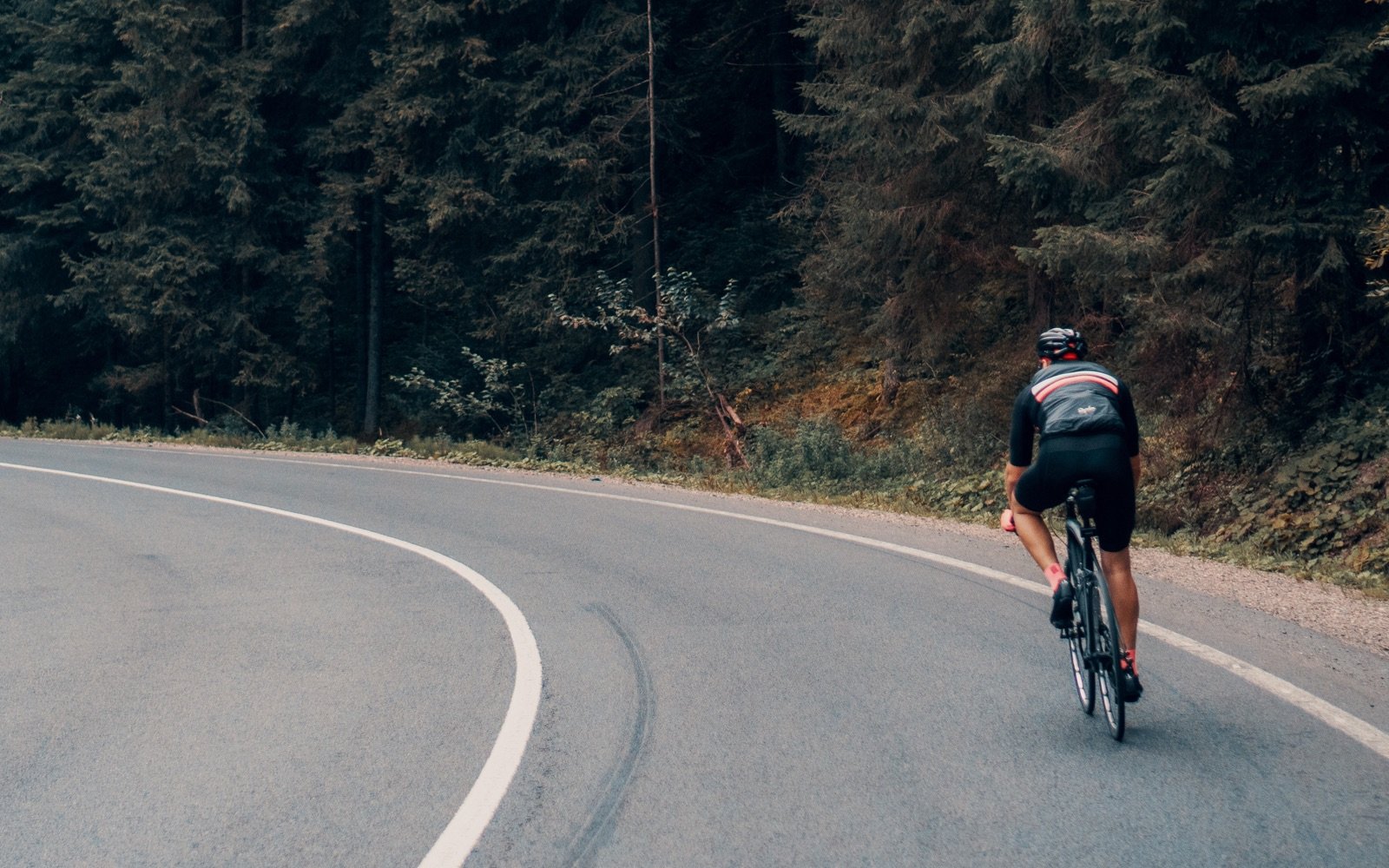
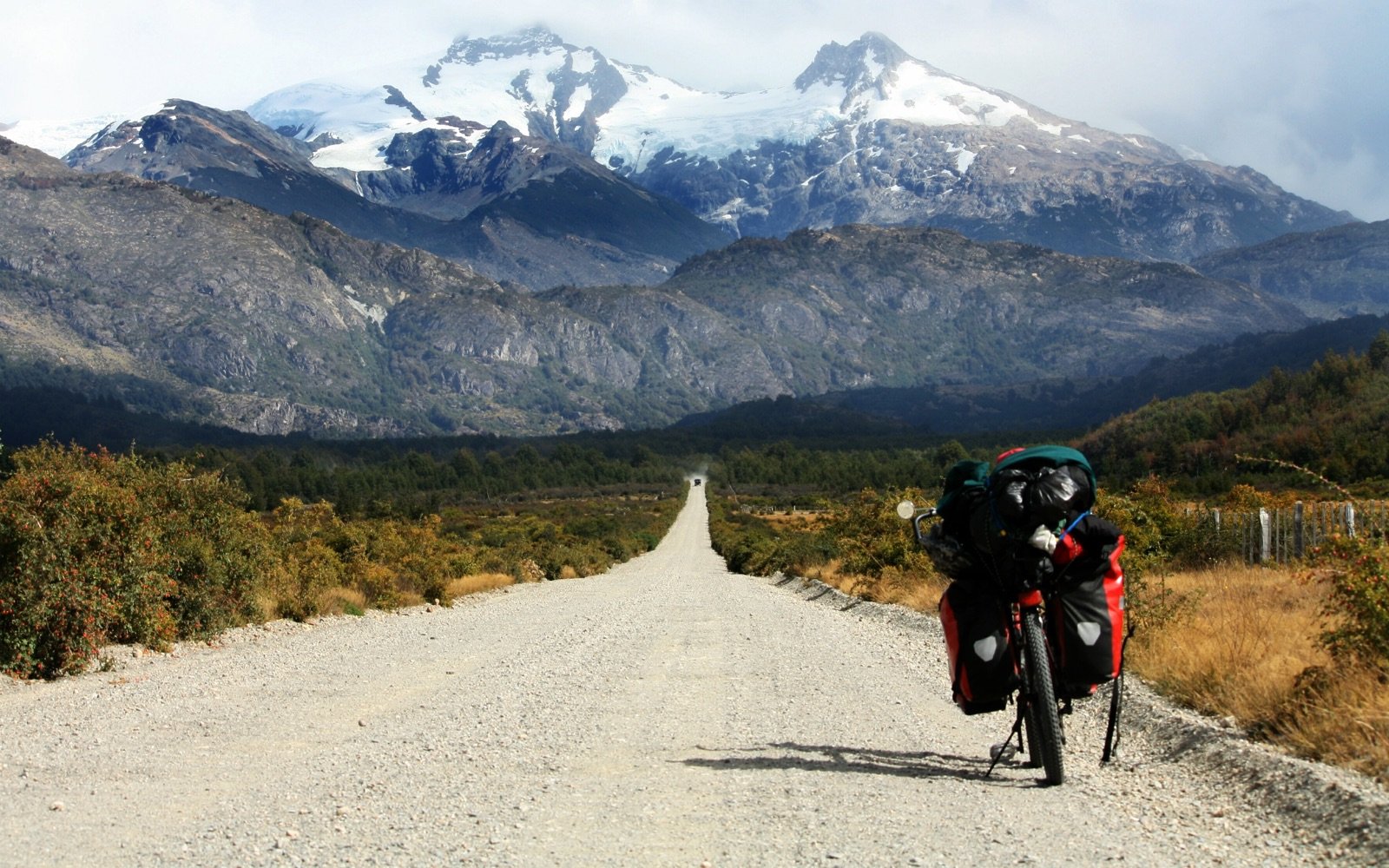
And what about you? Which are the most epic roads you’ve ever driven, cycled, or ridden on your motorbike? Let me know in the comments below or on Instagram!

Latest Articles

  • The Ultimate Roadbike Guide

  • Marco’s Trans Alps Trail

  • Crossing Oceans on a Bike

  • Bringing Your Dog on the Trail

Continue reading

Reinebringen ENG

Reinebringen

Best hike in Lofoten?

QUI INDICE

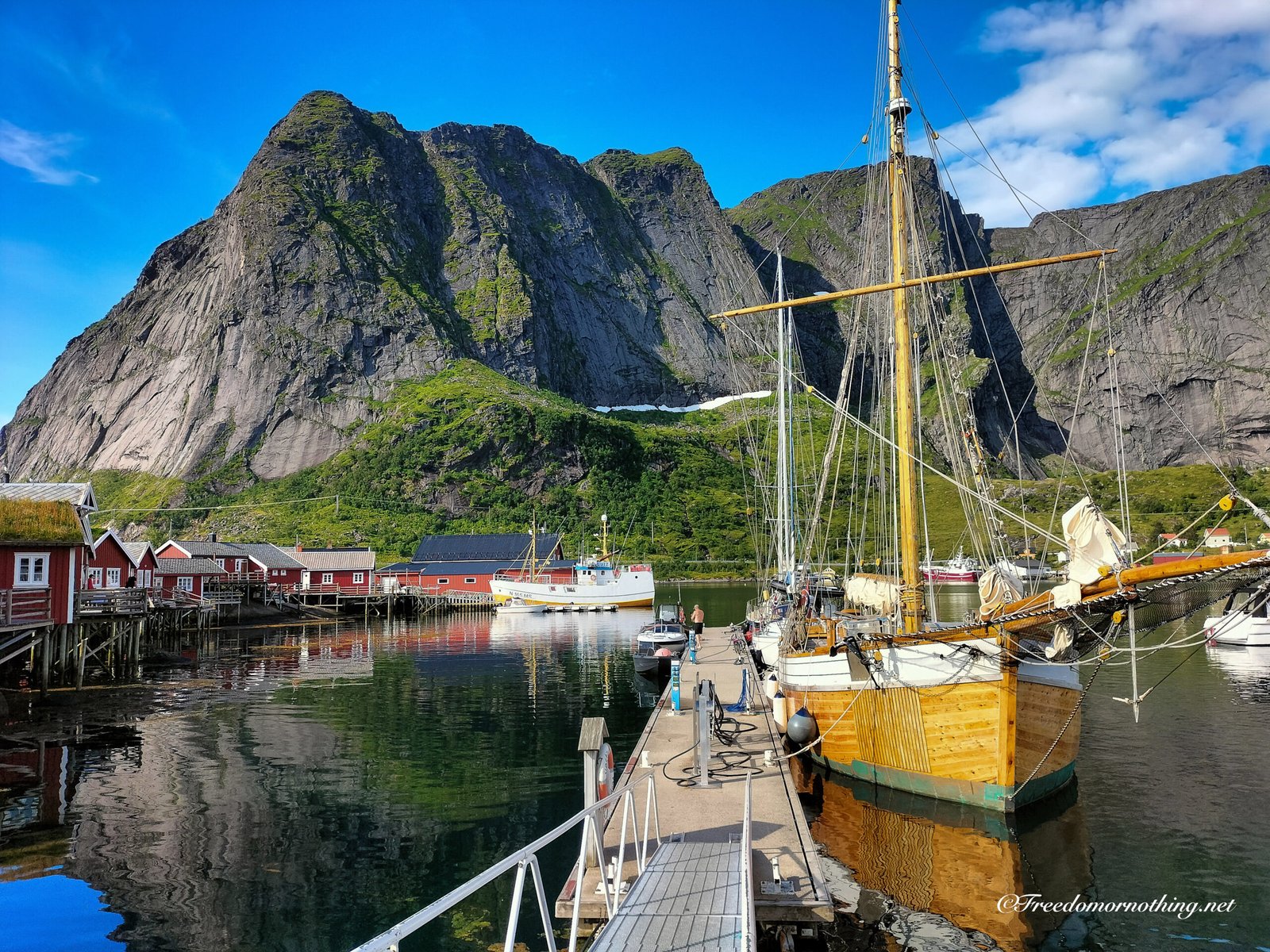
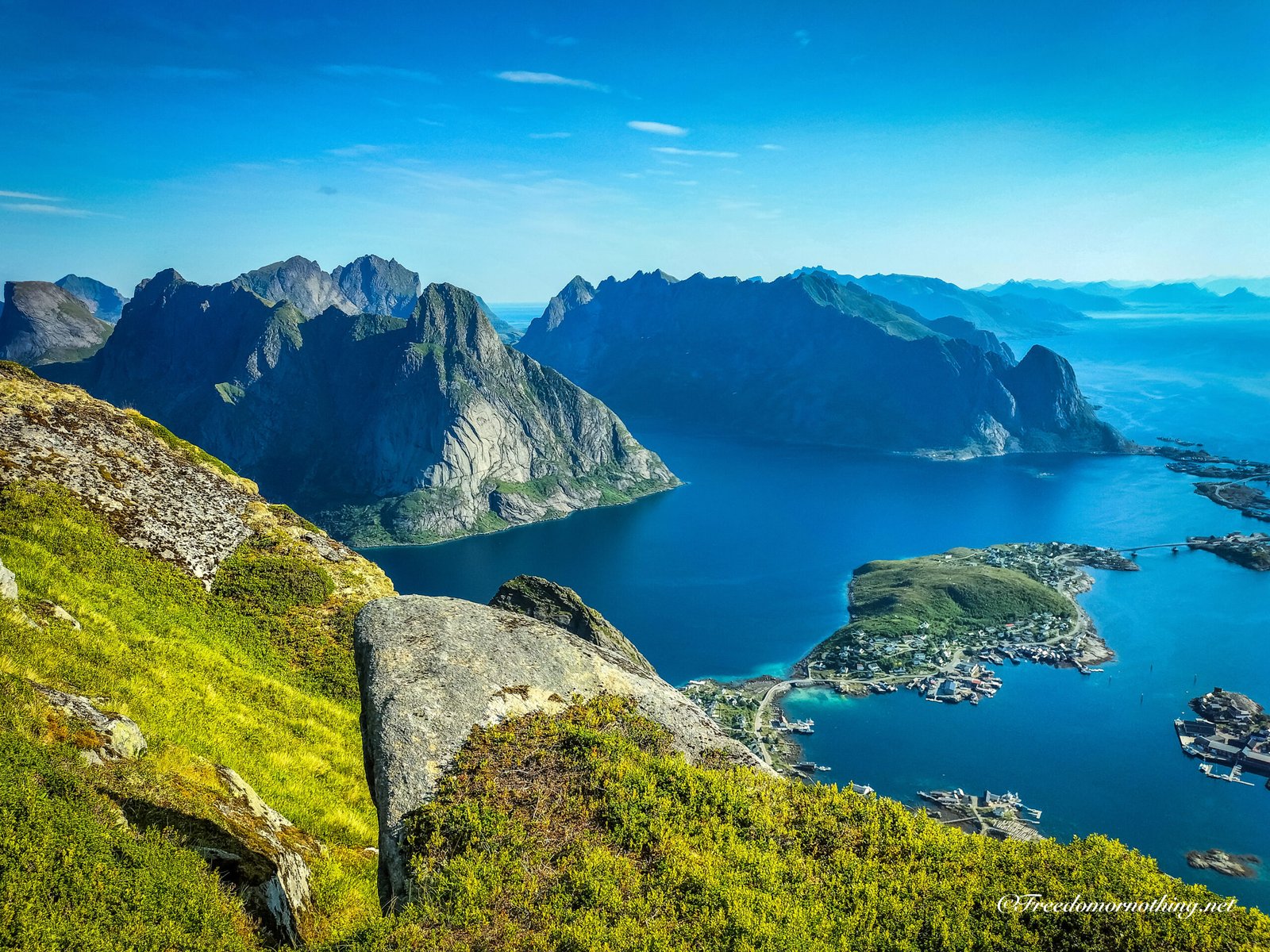
Reinebringen is one of the most iconic and famous mountains in the Lofoten Islands, looming over the village of Reine.

Despite its modest altitude of around 484 metres, it delivers exceptional, sheer-drop panoramas.

Its relatively simple access, proximity to Reine, and viral fame have made it extremely popular, crowded with tourists hauling themselves up and down all day (and night…).

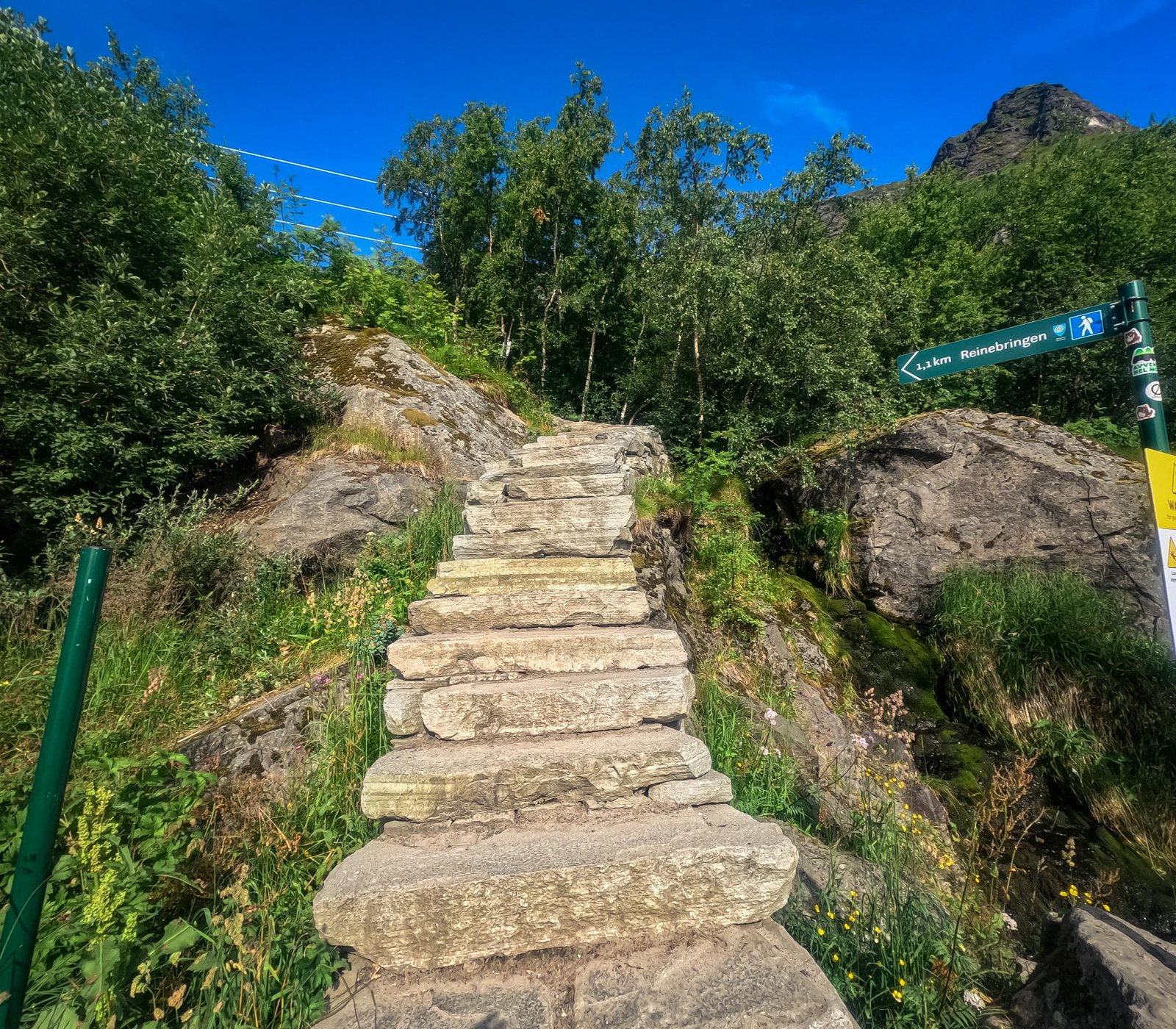
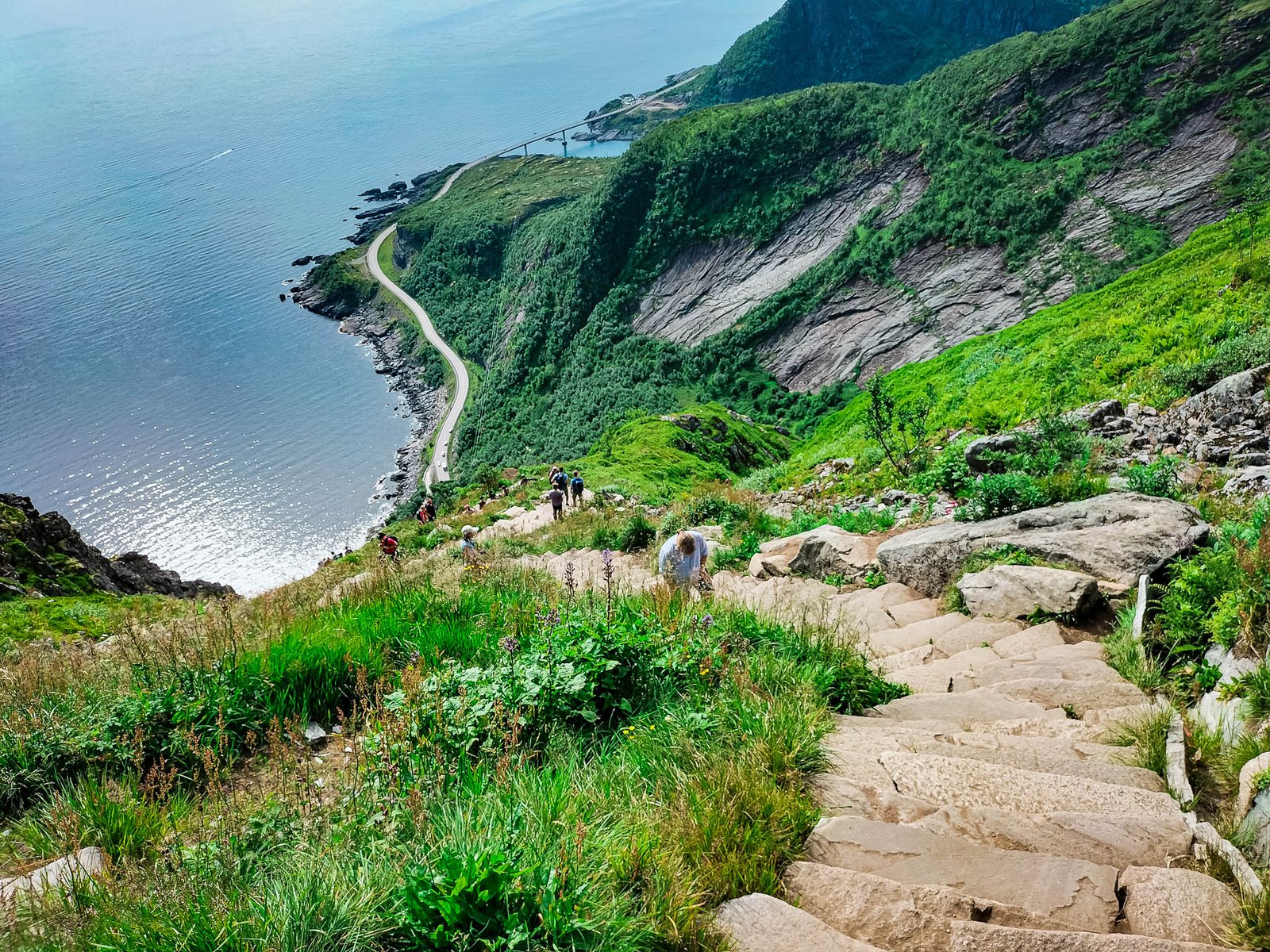
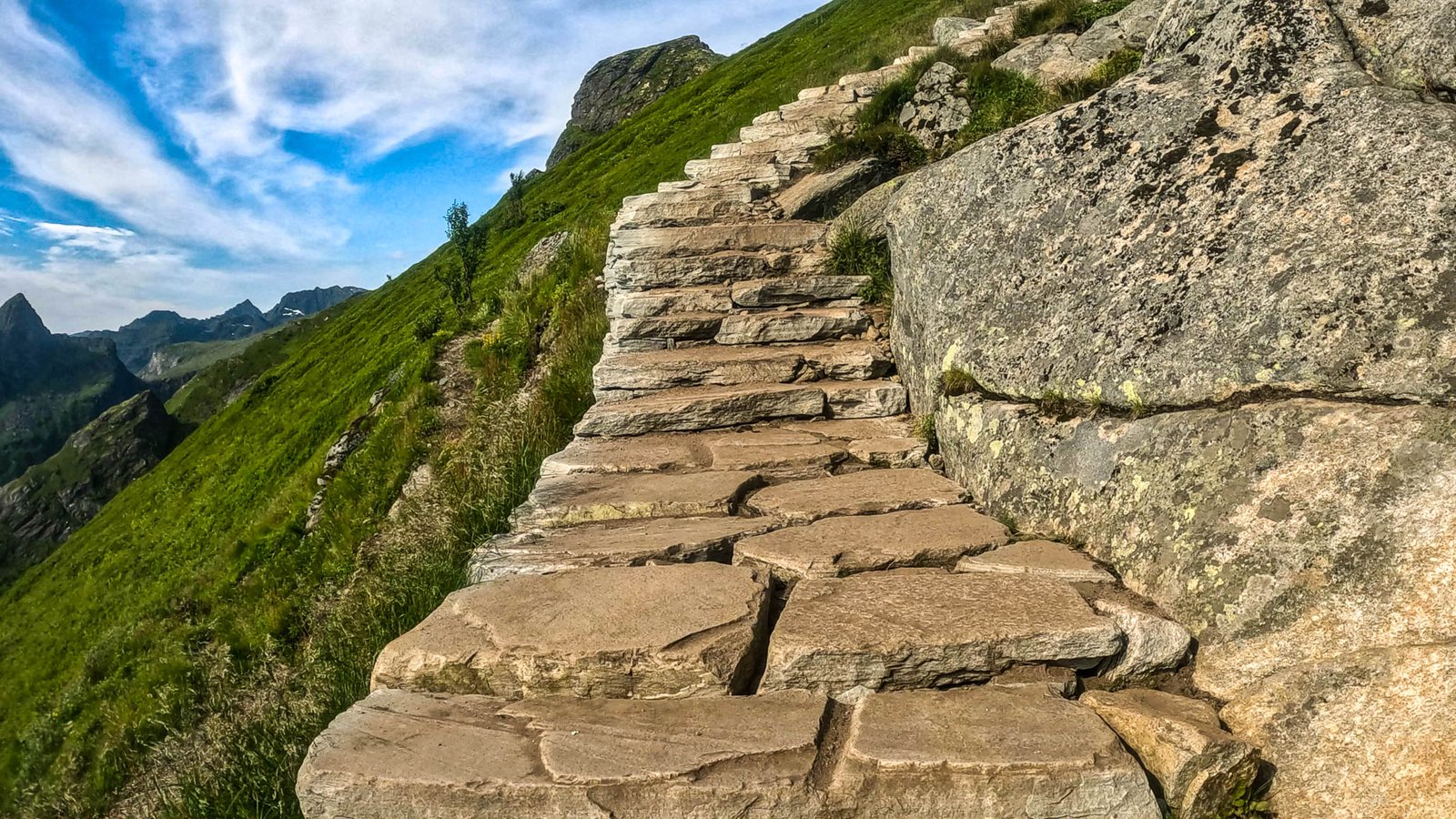
The climb to the summit is defined by a steep stone staircase, built by a team of Nepalese Sherpas and composed of approximately 1,978 steps.

But the question remains: is the fame deserved or not?


Location Lofoten Islands, Moskenesøya, near Reine, Norway
Difficulty Moderate / Demanding (due to steepness and stairs)
Avg Time 1.5 – 3h Return
Ascent 448 m
Distance 2 km Return
Elevation 484 m
Trail Type Marked trail, 1,978 stone Sherpa steps, final section on natural ridge
Start Point Location
How to get there From Reine: Walk along the pedestrian path by the sea towards Å, until you reach the Sherpa steps.
Water Not available along the trail.
Best Season May – September
Facilities None. Camping is NOT allowed on Reinebringen.


Open on Google Maps


On some devices, you may see a Google Maps error message. Simply tap “Try Again” and the map will load normally.


QUI

ALTRO

VISIBILE

SOLO

DA

PC

E

VA

IN

FONDO

SU

PHONE

TIPO MIE INFO E LINKS

QUI BANNER CON ALTRO

Reinebringen view from Reine…


LET’S START

I confess, the reason that dragged me to Lofoten the first time was one of the many videos showing the eye-popping view from the summit of Reinebringen.
I go mad for steep trails and vertiginous views, and this seemed to be the definitive version of what I was hunting for.


The knowledge I have today of this sensational archipelago was learned “in the field,” but back then, I knew absolutely nothing. I left improvising everything, driven purely by this impulse of wonder.

qui banner solo telefoni


Starting from the “Reinebringen” bus stop, you follow a pedestrian path for about 1 km, at the end of which the famous staircase kicks off.

The trail is evident and well-marked, even if the elevation gain can be intense for some, with gradients up to 45%. However, it is possible to stop at the stone bench areas scattered along the ascent to catch your breath and soak in the view.
The route can get crowded, especially in the middle of the day. I remember during my first ascent feeling a bit annoyed by the constant crossing of paths with people coming down and going up.


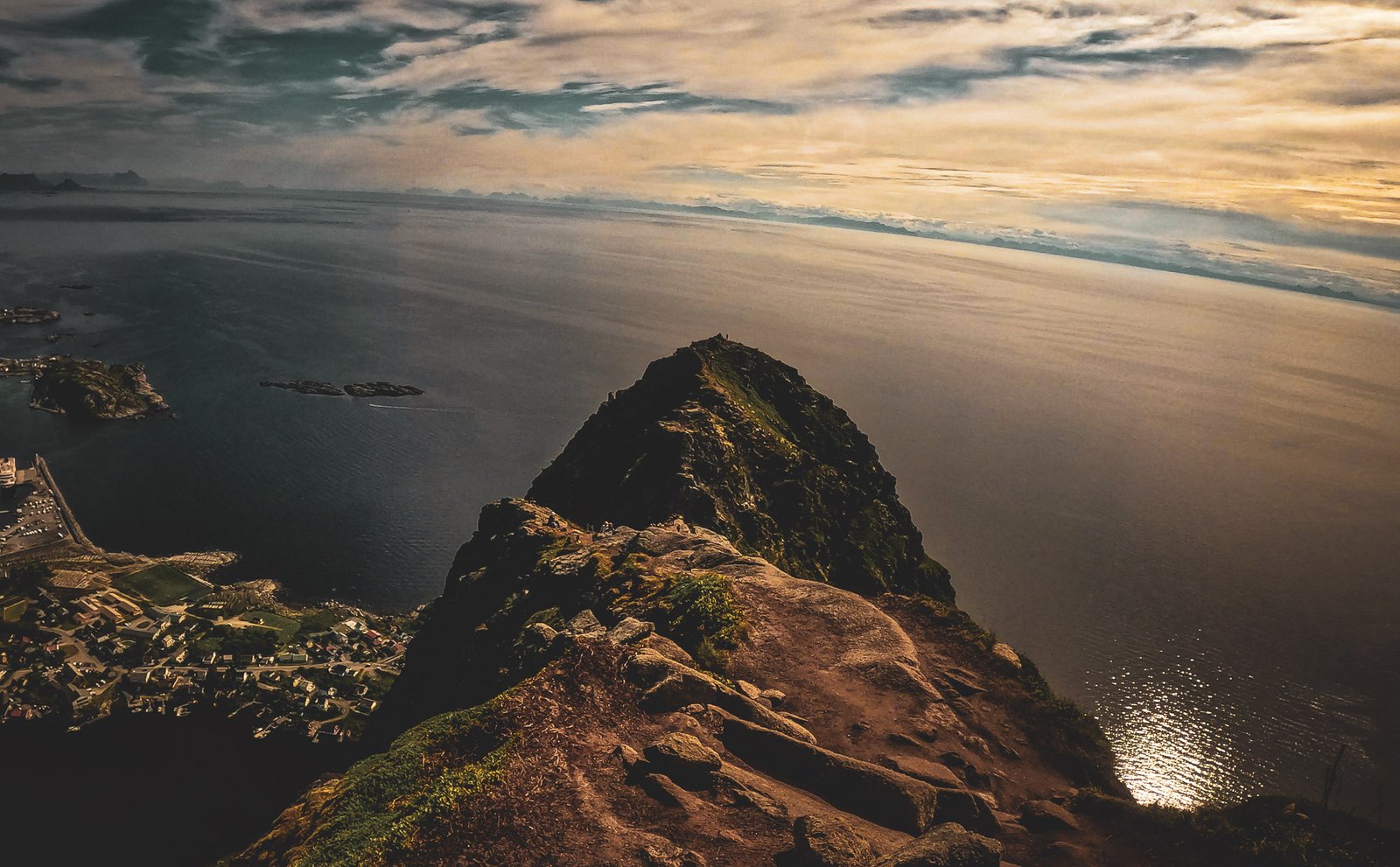
The final stretch before the summit is not “stepped”: here the trail turns into a natural path with no protective barriers, so you need to pay attention, especially in high winds or adverse weather.
At the top, the height and dominant position gift you one of the most famous and photographed views in Lofoten.


The Best Hike in all of Lofoten?

The impact of the panoramas along the climb and on the summit hits hard and pumps adrenaline, yet I remember feeling like I wasn’t totally satisfied. I didn’t know yet that in the following days I would stumble upon other hikes that would even surpass my sky-high expectations
…and for those like me who don’t love places crowded with tourists in the grip of “Selfie Rapture,” it’s hard to enjoy this place to the fullest.

Answering the initial question, I believe the main role of Reinebringen is to bring people to Lofoten, funnelling the vast majority of tourists into a place where they can “easily” enjoy the beauty of the archipelago. Not all of it, of course—there is plenty else to see… But then the “Natural Selection” of preferences, attitudes, and conditions separates the routes of those who adventure towards hidden gems off the beaten track and those who prefer the iconic spots.


Hell, I’m not saying it isn’t worth climbing.—quite the opposite!
But there is much more…

Serious Stuff

  • Avoid hiking the trail in ice or snow conditions, when the ascent becomes extremely dangerous.
  • Bring sufficient water, as there are no refill points along the route.
  • Camping on the mountain is not permitted, for environmental protection and local regulations.
  • Respect nature, pack out waste, and always follow the principles of “Leave No Trace.”

If you want to discover the TRUE best hikes of Lofoten, you will find some here:

hhh

Restaurants

  • Maritim Hotel

    Auckland

  • Countryside Inn Motel

    Matamata

  • The Ocean Hotel

    Stewart Island

  • Novotel Hotel

    Hamilton

  • Forest Campsite

    Dunedin

Related Posts

Continue reading

Earnslaw Burn Track ENG

Earnslaw Burn Track

Between Wilderness and Timeless Views


Earnslaw Burn is the exact answer to the question, “Which place would you revisit in New Zealand if you had just one trip left in the chamber?”

This is, without a doubt, one of the most incredible, remote, and pristine places that struck my vision like lightning during my travels in the land of the Kiwis.

This isn’t a simple or quick hike. Unlike other trails, this one only starts to make sense towards the bitter end—you have to earn it. But what you find at the finish line makes you immediately forget the “price” you paid to get there.


Where
Glenorchy Area, Otago, South Island – NZ


Difficulty
Challenging


Average Times
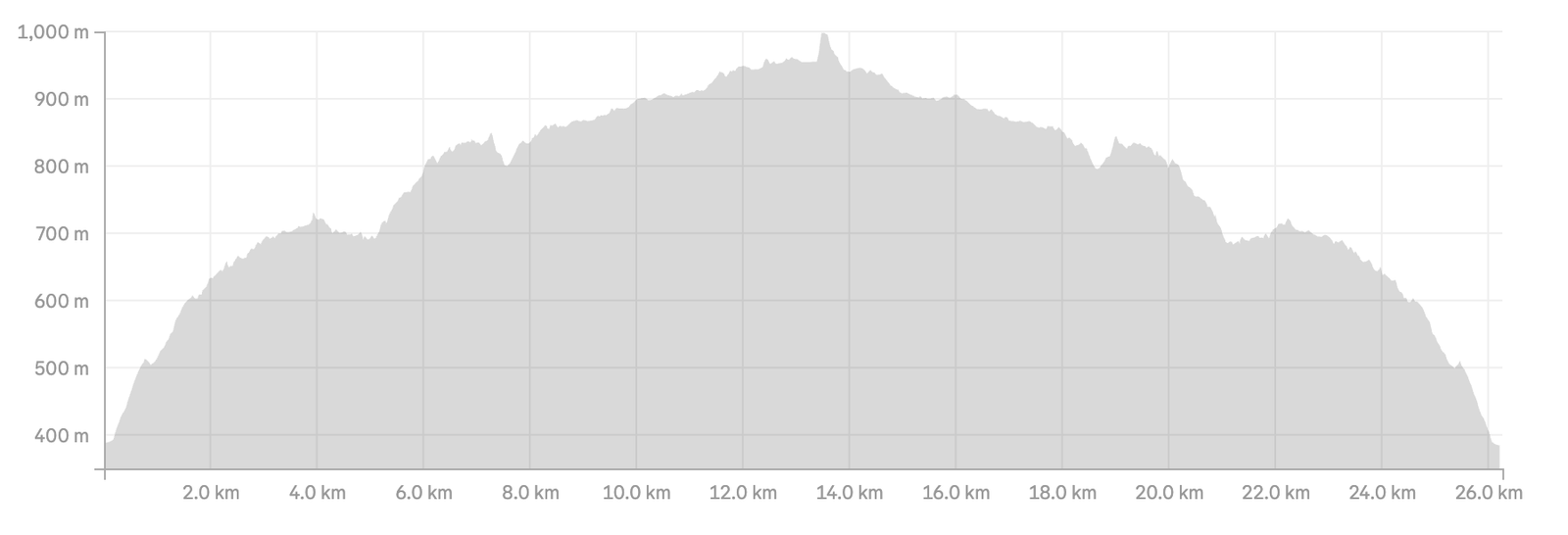
6/8 hours one way (4/6 hours just for the bush section)


Total Ascent
1250m return


ircle cx=”3″ cy=”12″ r=”2″ fill=”#7daedc”>ircle cx=”21″ cy=”12″ r=”2″ fill=”#7daedc”>
Distance
13.5 km total (8.8 km in the bush)


Max Elevation
999 m a.s.l. (max elevation near the glacier)


ircle cx=”12″ cy=”9″ r=”2.6″ fill=”#fff”>
Start Point
Earnslaw Burn Track Parking off Lovers Leap Road


ircle cx=”7″ cy=”18″ r=”2″ fill=”#666″>ircle cx=”17″ cy=”18″ r=”2″ fill=”#666″>
How to get there
From Queenstown, drive about 45 minutes on sealed road to Glenorchy. From Glenorchy, head towards Paradise and shortly after Diamond Lake, turn right onto Lovers Leap Road (gravel road). Drive for about 1.5 km and you’ll find the parking for Earnslaw Burn Track. The trail kicks off from here.


Water
Available. Sourced from the Earnslaw Burn river and from streams and waterfalls crossing the track. Filtering or boiling is strongly recommended.


Services
None. Camping is permitted in the area adjacent to the river just as you break the treeline, before the upper valley.


Recommended Season
December – March

  • Info & Highlights

  • Dove:

    Area di Glenorchy, Otago, Isola del sud – NZ

  • Difficoltà:

    Challenging

  • TEMPI MEDI:

    6/8 ore solo andata (4/6 ore solo bosco)

  • Punto di partenza

  • COME ARRIVARE:

    Da Queenstown, guida circa 45 minuti su strada asfaltata fino a Glenorchy. Da Glenorchy, prosegui in direzione Paradise e poco dopo Diamond Lake svolta a destra su Lovers Leap Road, strada sterrata. Prosegui per circa 1,5 km e troverai il parcheggio per Earnslaw Burn Track. Da qui parte il sentiero.

  • ACQUA:

    Disponibile. Reperibile dal fiume Earnslaw Burn e da torrenti e cascate che attraversano il sentiero. Filtro o bollitura fortemente consigliati.

  • SERVIZI:

    No, camping consentito nell’area adiacente al fiume appena usciti dalla linea degli alberi prima dell’alta valle.

  • Periodo consigliato:

    Dicembre – Marzo

  • Dislivello positivo totale:

    1250m 

  • DISTANZA: 13,5 km totali (8,8 km bosco)

    13,5 km totali (8,8 km bosco) solo andata


LET’S START

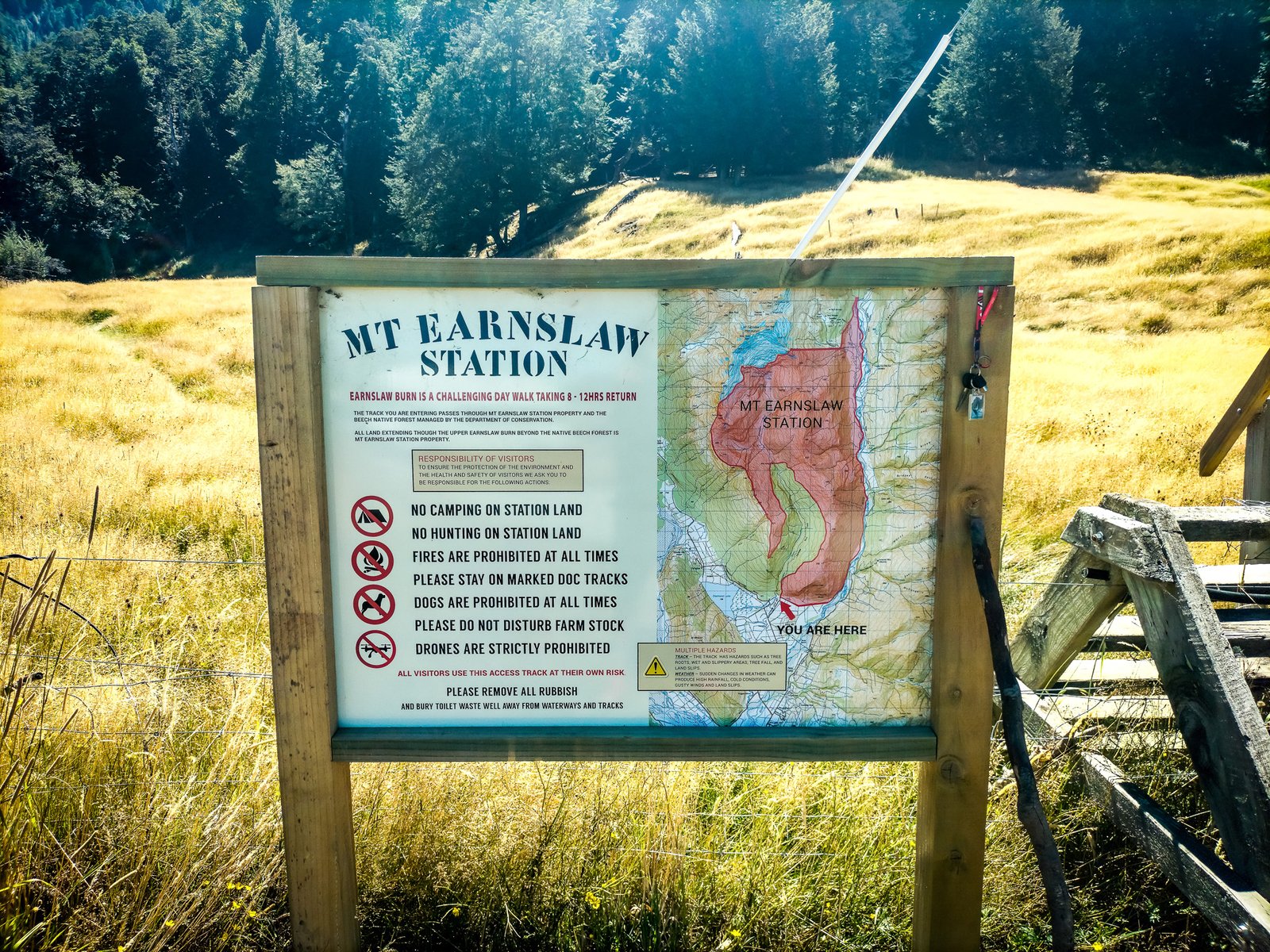
After ditching the car in the small parking lot, you’ll spot the trail starting from a rural gate that closes off the paddock near a wooden sign. Use the stile next to the gate to hop over without disturbing the livestock, and push on, following the path that gently climbs through the fields until you hit the tree line.

From here, the trail gets technical and spills into several kilometers of ups and downs inside the real forest—”wild” in the rawest sense: terrain that is never trivial, roots, mud, fallen logs, streams, and a track that vanishes every now and then between the orange markers on the trees. You’ll understand immediately that this isn’t a “walkway” for selfie-tourists, but a rough, living track.

You will genuinely feel on the edge, far from everything.

In short: no comfort, no giant billboards, no fast lane—just you, a dirty trail (as you will be by the end of the day), and the feeling of truly setting off on an “old school” adventure.

You need to pay attention; it’s often easy to lose the track, especially after rainy days that can trigger small slips and alter the lay of the land. There are some steep sections on scree/gravel that you need to tackle with caution so you don’t slide out.


Note: The trail, within the bush area, winds mainly through public conservation land (DOC). Camping is only permitted near the treeline, just as you exit the forest and close to the river (approx. 10 m), near the natural rocky bivvy, before entering the high valley towards the glacier, which sits on private land (Earnslaw Station). As of 2025, there are signs indicating exactly where you can camp.

You won’t find “red carpet” trails like on the Great Walks, but with a minimum of experience and focus, it’s not that terrible.

After about 9 km that seem to never end, you glimpse the light piercing the last dense ranks of trees, reigniting your spirit and delivering a solid lash of dopamine. The moment you step out, you’ll find yourself at the mouth of the valley with the Earnslaw Burn river flowing on your left. You can camp here.

You can push on directly toward the slopes of Mount Earnslaw/Pikirakatahi and pitch your tent on the return, or set it up immediately, rest a bit, and then head with more calm toward the real reason you are here.


I regretted not having my tent with me that day; in fact, I had minimal gear, and I had started mid-afternoon, returning in the dark with a headlamp late in the evening.

For those who know me, I usually pull rather wild stunts with timing and organization that are dubious at best, and in conditions that are often insane… I strongly advise against doing the same, because often it isn’t the best way to appreciate what you’re doing, it’s simply… my way.

Back to us… Unless you are a seasoned trail runner, staying overnight or starting very early are the best ways to enjoy this magical place.

It is possible to do it all in one day, but the effort is truly significant and the timing very tight, especially if you’re hauling heavy gear.

By staying overnight, you’ll have the chance to spend several hours at the top, savouring all the different colours that wash over the glacier, valleys, and waterfalls from sunrise to sunset, and (why not) living through one of the most indelible starry nights of your life.

The last steps

From here on, the route continues mostly flat with gentle undulations on soft, lush ground that, once you round the corner, opens up onto the high valley in front of you and…

“Welcome to Earnslaw Burn”!

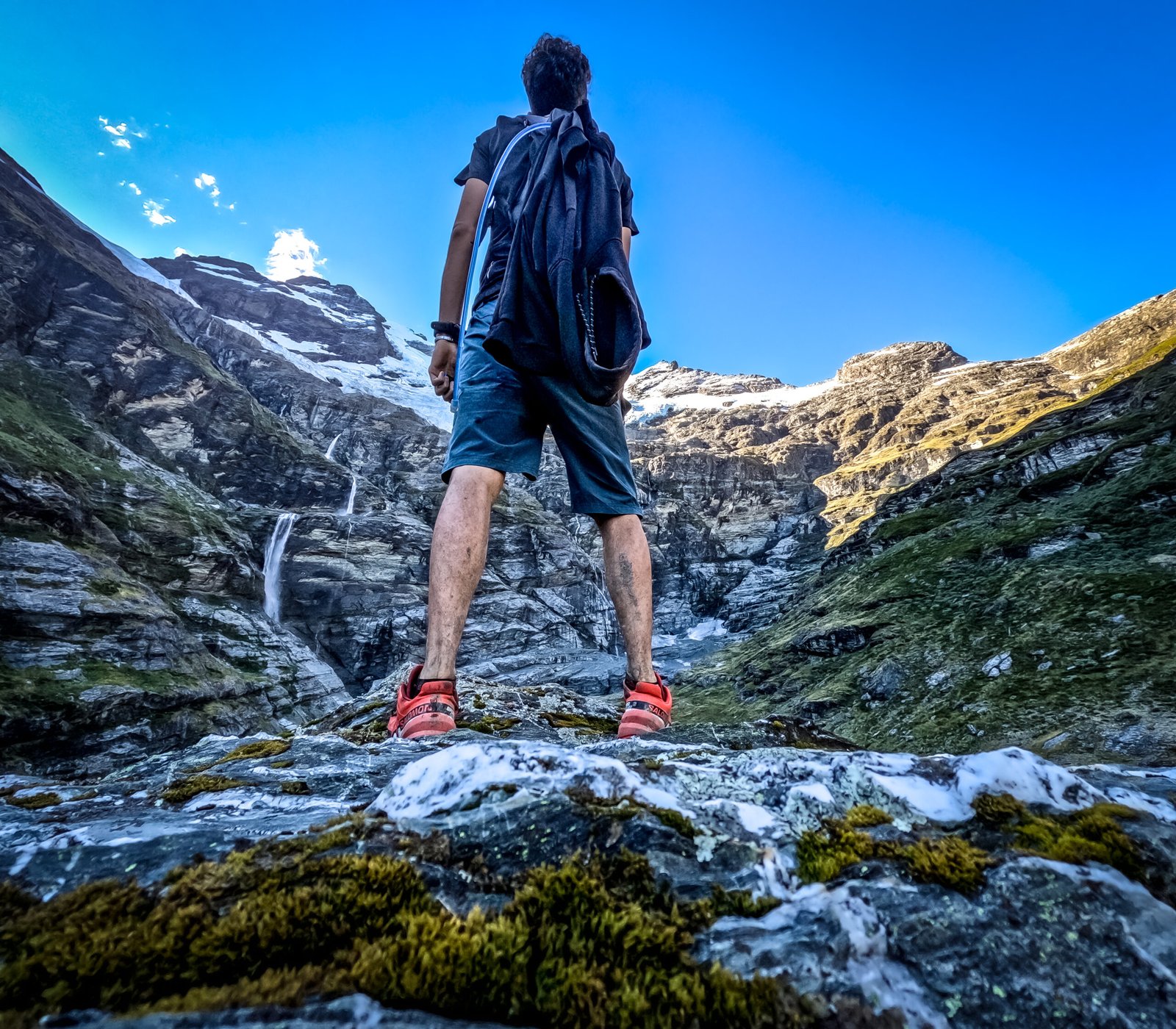
I have never found any photo of this place, least of all mine, capable of truly showing the sensation of vastness, purity, and imposing scale of this valley, where the glacier lights up in the sun and an avalanche of waterfalls, large and small, give life to the meandering river that accompanies you to the skirts of the mountain.

It is possible to reach this hidden pearl by hiking the trail I described, or via some companies that offer “heels and ties” experiences rather than “boots and sweat,” landing with helicopters in the valley. Fortunately, the day I decided to hike it, no helicopter changed the atmosphere of that place. In fact, I believe there were no more than 7 of us in the entire valley from 5 PM onwards.

The most significant encounter I had was a long exchange of gazes with a deer, far from frightened by my presence.

Magnificent.

The image best preserved in my memories of this experience is the last kilometers in the high valley when, at every step, my jaw dropped, leaving me mouth wide open like a fish, stunned by amazement, asking myself, “Where the f*** am I?”


Safety and Tips

I hiked this trail on a hot, clear day in late February, and I recommend doing it in clear sky conditions, checking for any updates on track status on the official DOC website. The avalanche risk, especially in the off-season, is significant. It is important to carry food, warm layers, tell someone your intentions, and be prepared to find yourself alone, far from any kind of comfort.

Earnslaw Burn is a marvelous and uncorrupted valley that must be preserved and kept that way. You need to organize yourself to pack out any waste and, as always, LEAVE NO TRACE.

If you have questions or want to exchange a few words, or if memories jumped to your mind reading this story, Drop a comment below or DM me on Instagram.

Articoli correlati

NEW ZEALAND

  • Wild Camping regole e consigli in NZ

    Auckland

  • asdfghjk

    Matamata

  • a

    Stewart Island

  • e

    Hamilton

  • BOOTS OR SHOES?

    Dunedin

GEAR

  • ASDASDAS

    Wellington

  • Cannibal Burgers

    Milford Sound

  • Luigi’s SFASFASF

    ASF

  • ASF

    Te Anau

  • asasgdsd

    Tauranga

Similar Trips

  • Hiking in New Zealand

    Lorem ipsum dolor sit amet, erat mi sit augue etiam placerat enim, egestas metus, suscipit vel magna, aliquam neque erat pellentesque. Ligula elementum dignissim semper mi gravida

    Read the Full Story…

  • Otago Rail Trail bike tour

    Lorem ipsum dolor sit amet, erat mi sit augue etiam placerat enim, egestas metus, suscipit vel magna, aliquam neque erat pellentesque. Ligula elementum dignissim semper mi gravida
    Read the Full Story…

Continue reading